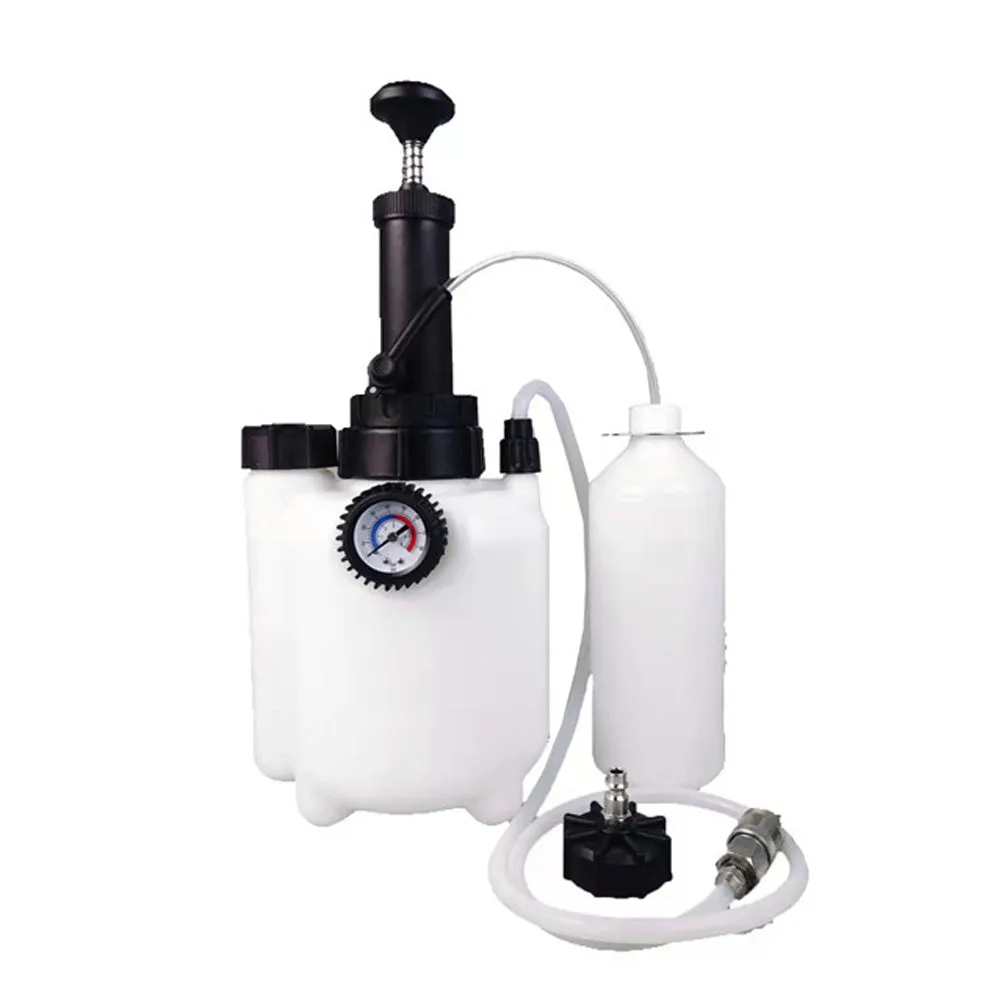
Automobile brake oil tank replacement tool kit 3-litre capacity for DIY car brake fluid changing with copper, iron, and plastic construction includes a single white tank in package size 41 x 18 x 20 cm


Automobile brake oil tank replacement tool kit 3-litre capacity for DIY car brake fluid changing with copper, iron, and plastic construction includes a single white tank in package size 41 x 18 x 20 cm
3-Litre Automotive Brake Oil Tank Changer Tool Kit for DIY Car Maintenance

This specialised tool kit centres around a 3-litre capacity brake oil tank, providing a practical resource for performing a crucial vehicle maintenance task. Designed for draining old fluid and supplying new brake fluid to a car's hydraulic system, it serves motorists and home mechanics seeking a dedicated tool for the job. The construction combines copper, iron, and plastic, with the complete kit arriving in a single white colour option. The package measures 41 cm by 18 cm by 20 cm, containing one primary tank unit ready for use on most passenger vehicles.
Features and Construction
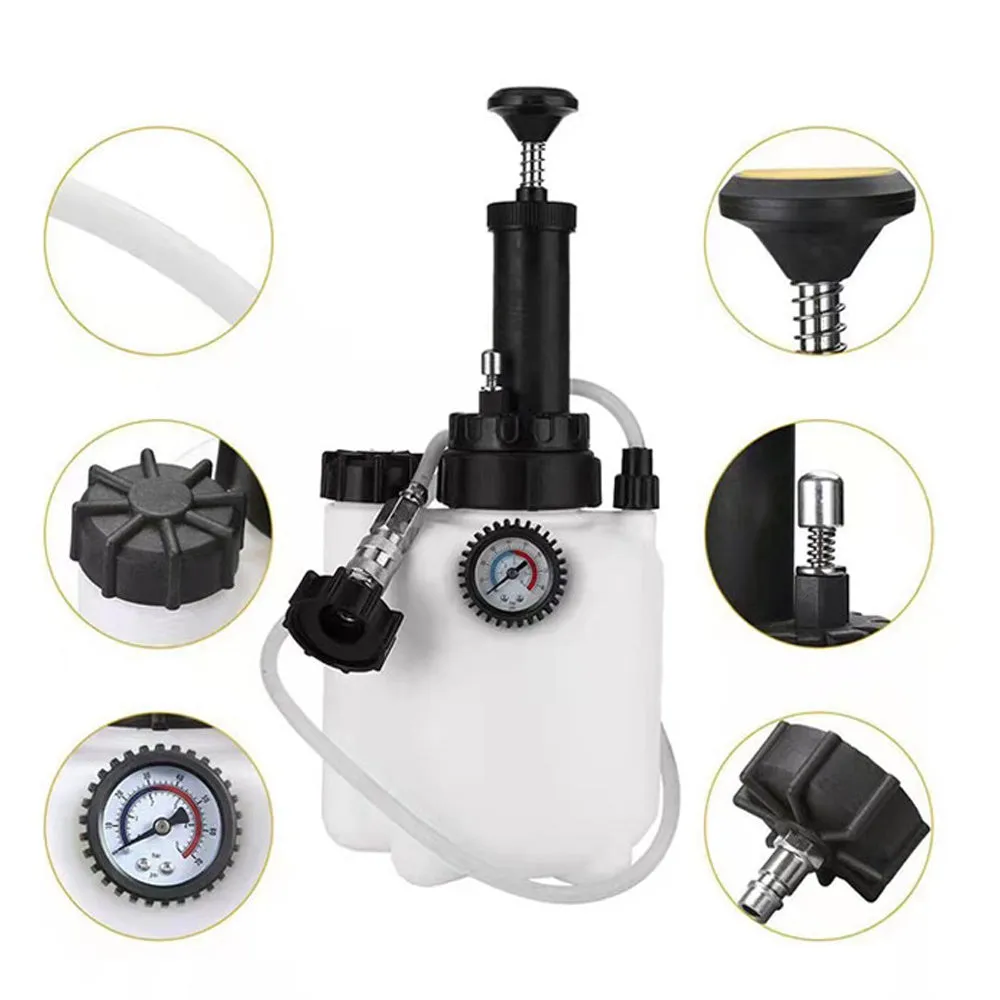
This brake oil changer is built around its core functional components to perform a specific automotive service task efficiently. The design prioritises practical application for fluid transfer during brake system servicing.
Material and Build
The tool utilises three key materials: copper, iron, and plastic. Copper is typically employed for fluid lines or connectors where resistance to brake fluid corrosion and efficient heat dissipation are beneficial. Iron provides the structural framework and strength for components that must withstand pressure or physical handling. Plastic is used for the main reservoir body and other housings, offering a lightweight and chemically resistant container for the brake fluid itself during the changeover process.
Size and Practical Fit
The entire kit is supplied in packaging measuring 41 centimetres in length, 18 centimetres in width, and 20 centimetres in height, making it a compact tool for storage in a garage or workshop. The 3-litre capacity of the central tank is suitable for the volume of fluid required to flush and refill the brake systems of most cars and light vans. It is provided in a white colour finish, which can help with visual fluid level checks and general cleanliness monitoring.
Uses and Placement
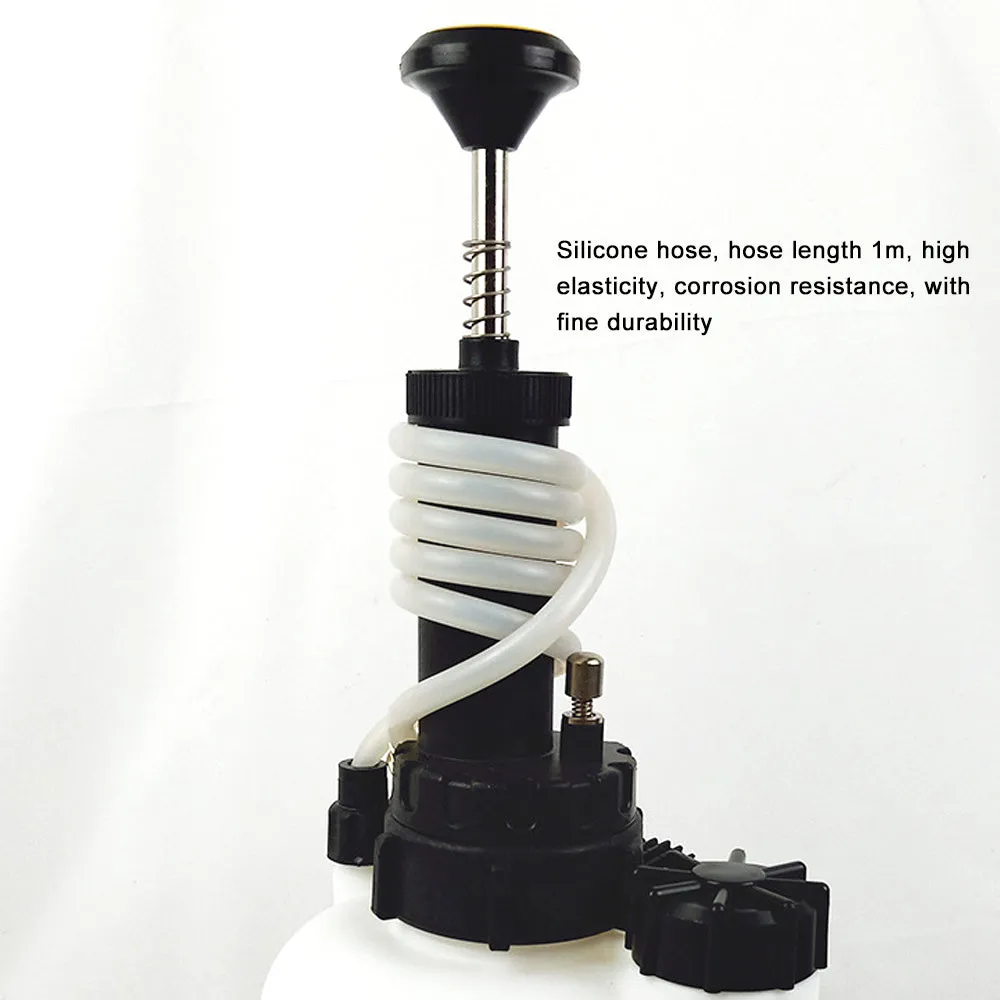
This product is designed for a single, well-defined purpose within automotive maintenance, fitting into both professional and DIY contexts where brake fluid replacement is performed.
Event or Professional Use
For professional mechanics or service centres, this tank can serve as an auxiliary fluid handling unit for brake flushes, especially in settings where a larger, fixed system is not required for every job. Its defined capacity allows for pre-measuring the correct amount of new fluid needed for a specific vehicle, reducing waste and spillage. The combination of materials is chosen to withstand the regular use expected in a workshop environment.
Everyday Home Use
For the DIY enthusiast or home mechanic, this kit provides a dedicated, purpose-built tool for a task that is often performed using improvised containers. Having a single, robust tank with a 3-litre capacity simplifies the process of changing brake fluid, making the job cleaner and more manageable. It removes the need to find a suitable clean container and helps ensure the old fluid is captured properly for safe disposal.
Benefits and Buying Value
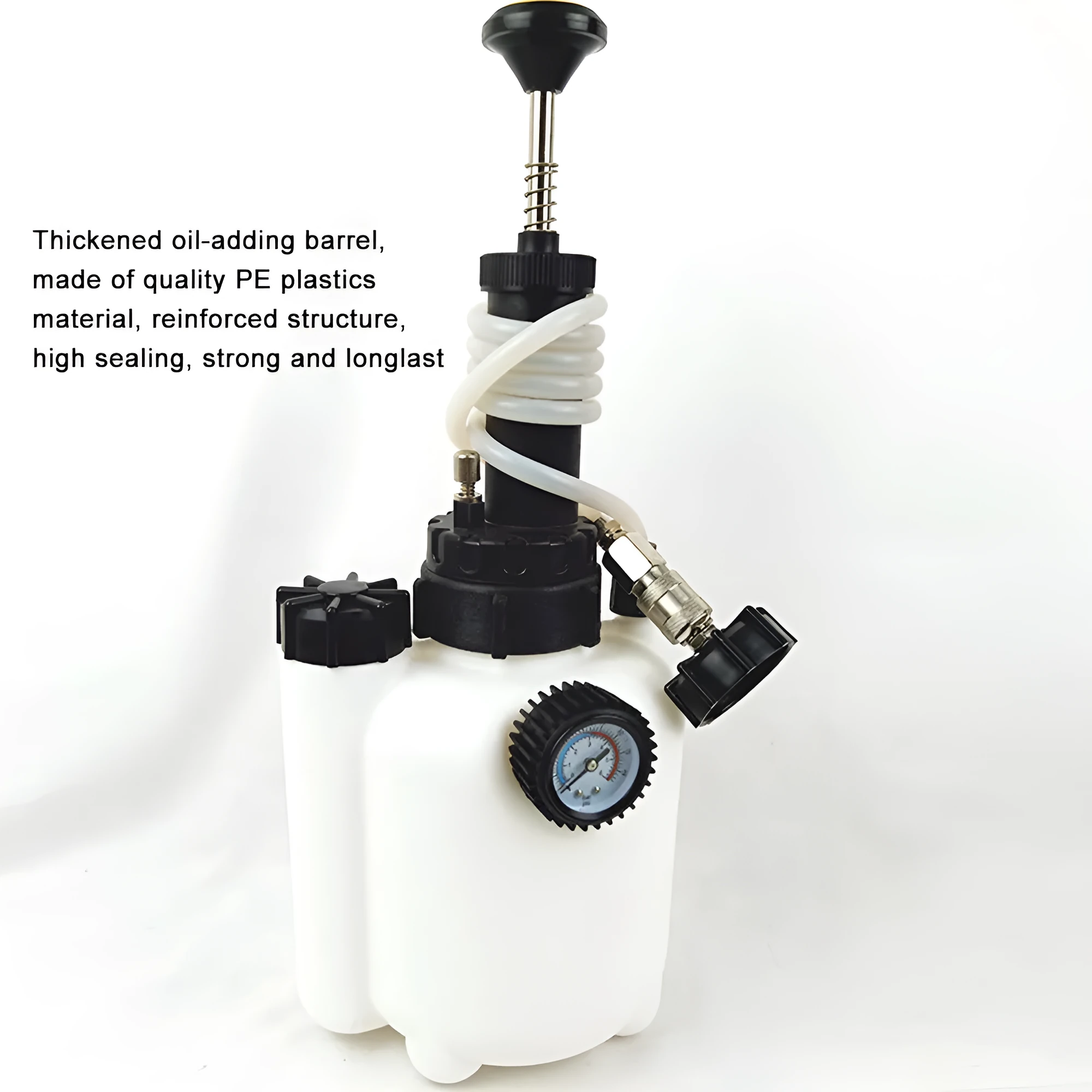
The value of this product lies in its targeted functionality, material suitability, and the practicality it brings to a specific maintenance procedure.
Reuse and Low Maintenance
As a tool constructed from durable metals and plastics, the brake oil tank is designed for repeated use over multiple vehicle services. Its materials are selected for compatibility with various types of glycol-based or silicone brake fluids. After use, the tank can be cleaned and stored dry, ready for the next job, representing a one-time purchase that supports many years of vehicle maintenance.
Why Choose This Product
Choosing this specific brake oil changer offers a clear advantage over makeshift solutions: it is a dedicated tool built for the task. The 3-litre capacity meets a common need, the material choice addresses functional durability, and having a single contained unit improves process hygiene and safety when handling brake fluid. It represents a straightforward investment for anyone who plans to maintain their vehicle's braking system personally.