
Clarinet made from bakelite with nickel-plated keys suitable for beginner testing and learning musical instrument black finish and 17 key design measuring 67cm in length


Clarinet made from bakelite with nickel-plated keys suitable for beginner testing and learning musical instrument black finish and 17 key design measuring 67cm in length
Bakelite Clarinet with Nickel Keys for Beginner Test Playing and Learning

This clarinet is designed as an entry-level instrument for musicians starting their woodwind journey or requiring a test model. Its construction from bakelite provides a historically relevant material choice for wind instruments, offering a distinct timbre and handling characteristic. The inclusion of 17 nickel-plated keys ensures learners encounter the standard key layout found on most student and intermediate clarinets. Supplied with a protective bag, this package delivers the core components needed to begin practicing scales, learning fingerings, and exploring clarinet technique without a significant initial investment. The black finish and 67cm length confirm its place as a standard B♭ soprano clarinet, the most common starting point for new players.
Features and Construction
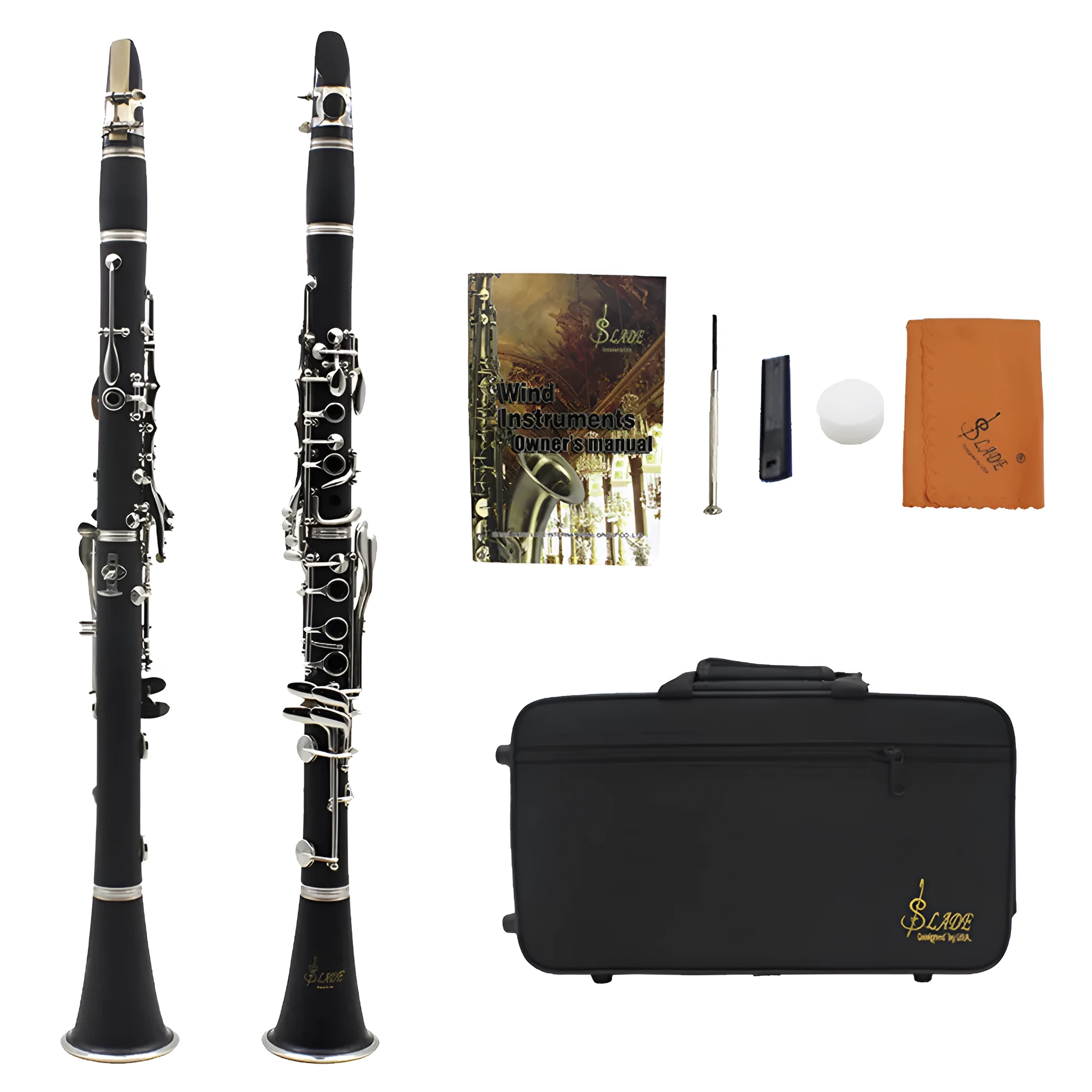
This instrument combines traditional material use with practical features for a beginner. The build focuses on providing the essential playing interface needed to develop fundamental skills.
Material and Build
The clarinet's body is crafted from bakelite, a mouldable composite that has been used in instrument manufacturing for decades. This material contributes to the instrument's specific tonal character and durability profile. The keywork is finished in nickel plating, a standard treatment that provides corrosion resistance and a familiar tactile feel for the fingers. The design is classified as beginner-grade, indicating its intended use for initial practice, testing, and skill development rather than professional performance.
Size and Practical Fit
The instrument measures 67cm in total length, which aligns with the standard dimensions for a B♭ soprano clarinet. This size ensures the instrument's pitch and scale are correct for standard tutorial books and ensemble playing. The included protective bag is designed to accommodate the disassembled clarinet, making it straightforward to transport to lessons or practice rooms. The black colour scheme offers a classic, neutral appearance common for student models.
Uses and Placement

This product serves specific roles within musical education and personal development. Its specifications suit it for foundational learning scenarios.
Event or Professional Use
As a test-playing instrument, it can serve music teachers and rental shops needing a functional model for student trials. Its beginner-grade classification makes it suitable for school music programmes, brass bands, or community groups seeking affordable, durable instruments for introductory courses. The standard 17-key layout means students learning on this model can transition to other student clarinets without relearning basic fingering patterns.
Everyday Home Use
For the individual learner, this clarinet provides a dedicated practice instrument for daily routine development. The supplied bag allows for neat storage in a bedroom, study, or cupboard, protecting the instrument from dust and minor impacts. Its construction is geared towards the repetitive use typical of scales, exercises, and simple repertoire practice, supporting the gradual build-up of embouchure strength and finger coordination.
Benefits and Buying Value
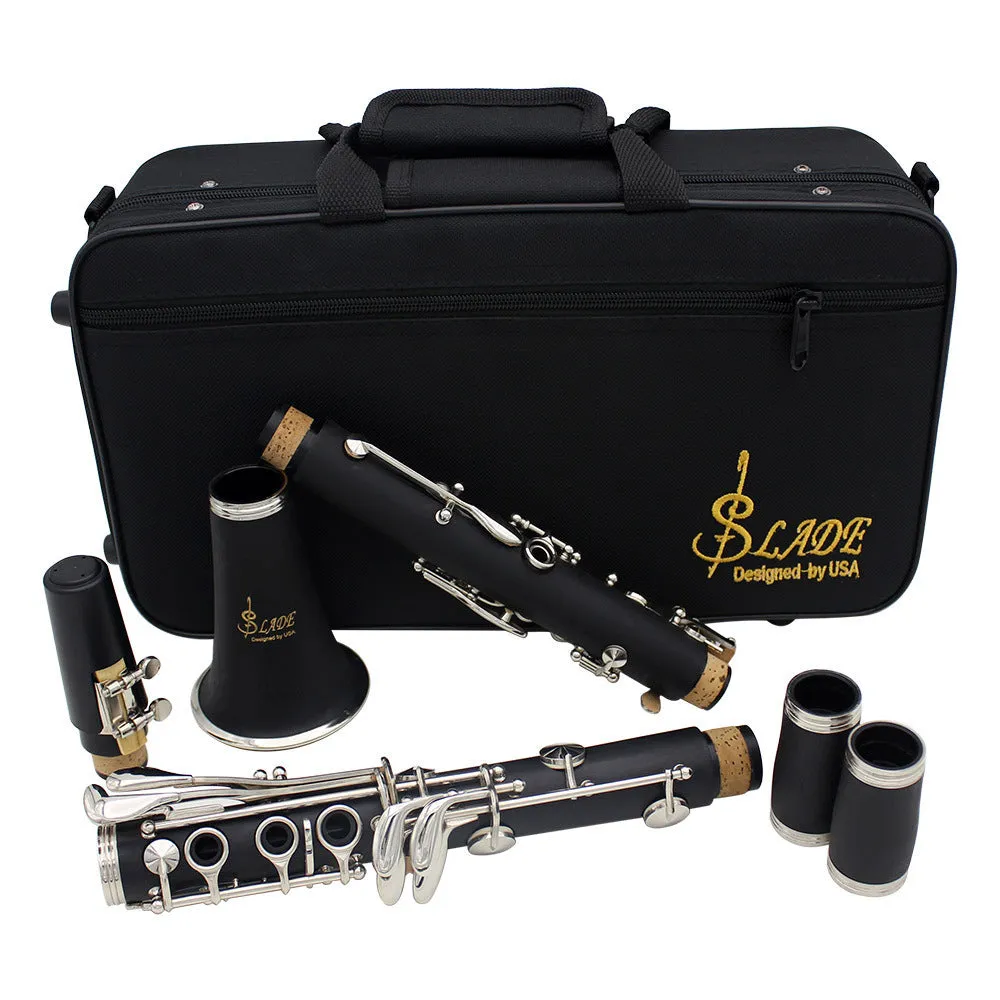
The value of this product lies in its focused design for the initial stages of clarinet playing. It avoids over-specification for a genuine beginner's needs.
Reuse and Low Maintenance
The bakelite construction and nickel-plated keys are selected for their low-maintenance characteristics, requiring only basic wiping down after use. The instrument's robustness against everyday handling makes it suitable for shared educational environments or younger players. The included bag extends the product's lifespan by providing dedicated storage, reducing the risk of accidental damage from being left out.
Why Choose This Product
This clarinet is a clear choice for those needing an authentic playing experience without the complexity and cost of advanced models. It delivers the core requirements—correct scale, standard key layout, and basic protection—for taking the first steps in clarinet playing. By focusing on these fundamentals, it allows the learner to invest effort and resources into lessons and practice time rather than the instrument itself, making it a pragmatic starting point.
