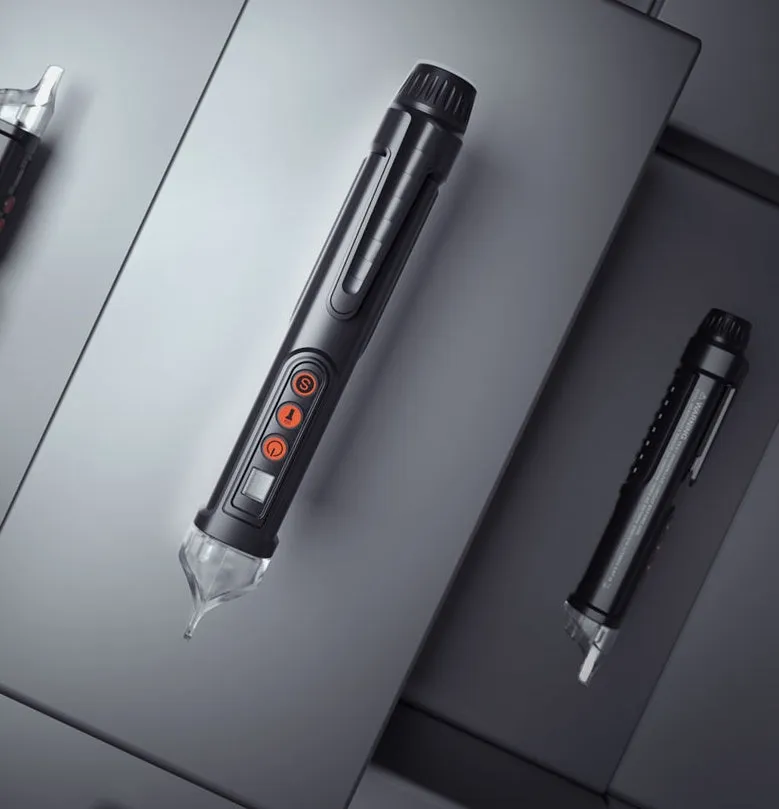
Intelligent voltage test pencil with multi-function line detection, induction pen with automatic shut-off, solid line and empty line identification via sound and light alarms, AC 10 or Black colour option, includes quantity choice of 1pc or 2pcs


Intelligent voltage test pencil with multi-function line detection, induction pen with automatic shut-off, solid line and empty line identification via sound and light alarms, AC 10 or Black colour option, includes quantity choice of 1pc or 2pcs
Intelligent voltage test pencil with multi-function line detection and automatic shut-off

This intelligent voltage test pencil serves as a practical tool for electrical professionals and DIY enthusiasts who need to quickly identify electrical line status during installation, maintenance, or troubleshooting work. The device distinguishes itself through clear visual and audible feedback systems that help users differentiate between solid (live) lines and empty (neutral) lines without requiring complex interpretation. With its automatic power management feature, the test pencil helps conserve battery life by shutting down after periods of inactivity, making it suitable for intermittent use throughout the working day. Available in either AC 10 or Black colour options, and offered in single or two-unit quantity choices, this detection tool provides straightforward functionality for basic electrical verification tasks where precise voltage measurement is less critical than simple line identification.
Features and Construction
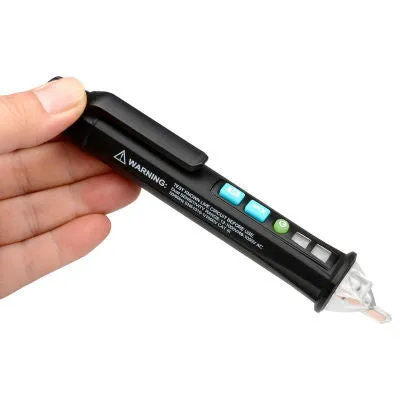
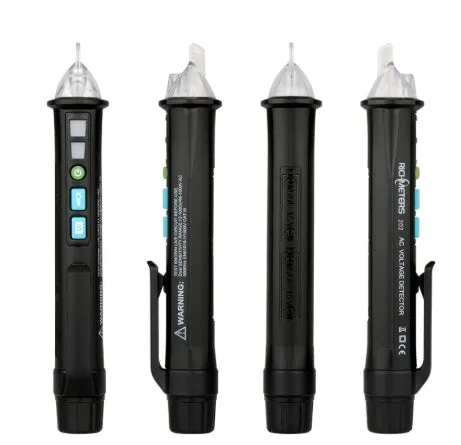
The test pencil's operation centres around its sensor tip and integrated alarm system, which work together to provide immediate feedback about electrical line status. Rather than displaying numerical voltage readings, the device uses distinct patterns of sound and light to communicate whether a line is solid or empty, reducing interpretation time during busy electrical work.
Material and Build
While specific housing materials aren't detailed in the source information, the construction focuses on the functional components that enable the detection capabilities. The sensor tip represents the primary contact point for testing, designed to be brought close to the object being measured rather than requiring direct physical connection. Internal circuitry processes the detection signals and triggers the appropriate alarm responses, with the display system providing complementary visual confirmation through coloured flashing indicators. This practical build prioritises detection reliability over aesthetic considerations, with colour options limited to functional differentiation rather than decorative appeal.
Size and Practical Fit
The source text doesn't provide specific dimensions for the test pencil, but its design appears oriented toward handheld use during electrical testing scenarios. The form factor likely balances sensor accessibility with user grip considerations, allowing the tip to be positioned accurately near wires, outlets, or electrical components. The absence of detailed measurements suggests a standard pen-like or probe-style shape that can be easily carried in tool belts or pockets between uses, with the automatic shut-off feature making it suitable for occasional rather than continuous operation throughout the workday.
Uses and Placement

This detection tool finds application in various electrical scenarios where quick line status verification supports safer working practices or faster troubleshooting. The clear differentiation between solid and empty lines helps prevent confusion that could lead to electrical hazards or incorrect circuit identification, particularly in environments with multiple cables or complex wiring arrangements.
Event or Professional Use
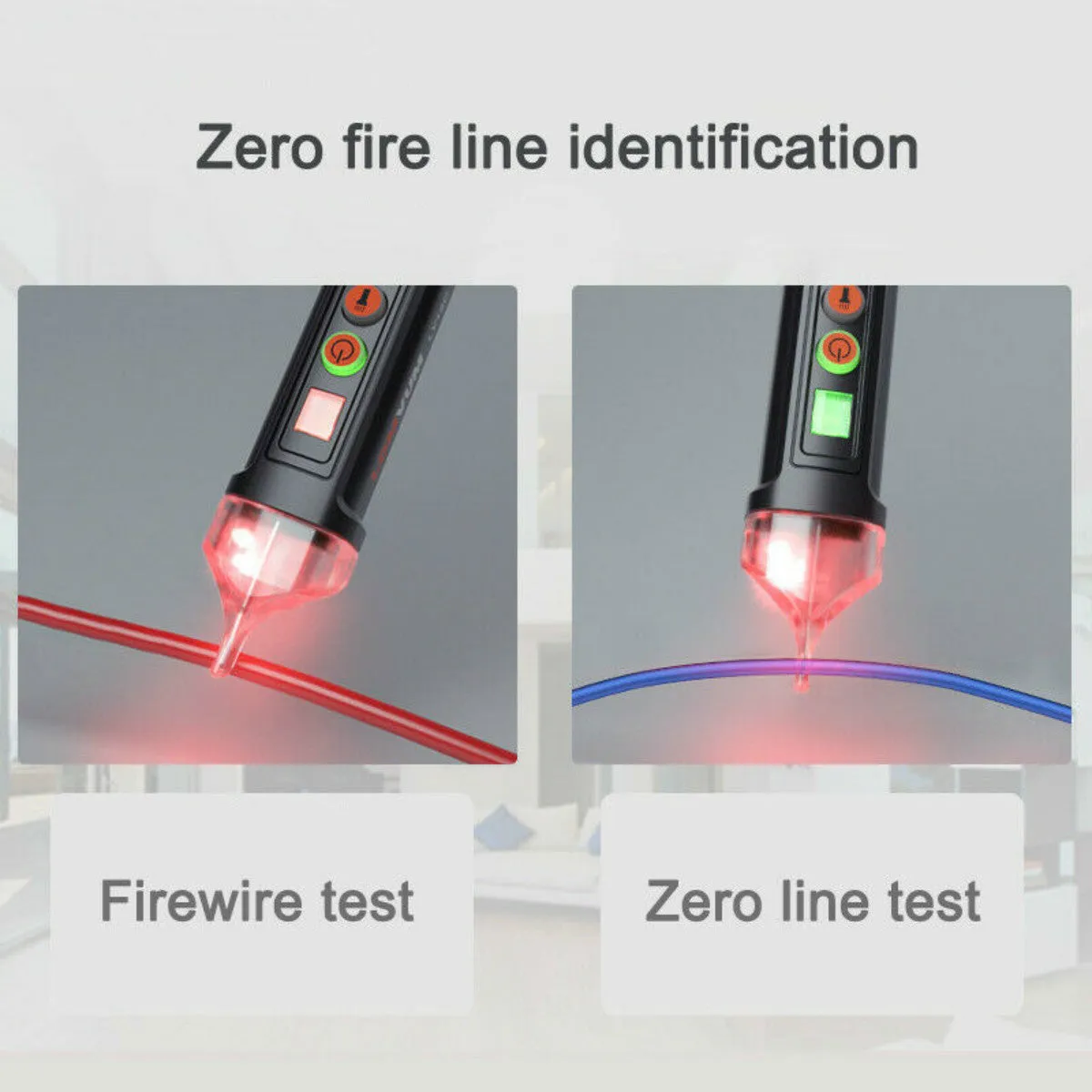
For electrical contractors, maintenance technicians, or installers, the test pencil offers a secondary verification method alongside more sophisticated testing equipment. The sound and light signals provide immediate feedback that can be interpreted without looking directly at the device, useful when working in awkward positions or poorly lit areas. The solid line detection with its fast-paced buzzing alarm and red flashing display creates unmistakable warning signals for live wires, while the empty line identification with slow buzzer and green flash confirms neutral or inactive lines. This binary feedback system reduces decision time during repetitive testing tasks across multiple points in an electrical system.
Everyday Home Use
For DIY electrical projects around the home, the test pencil provides a straightforward way to check outlet status, verify switch functionality, or identify cables before modification work. The automatic shut-off feature after five minutes of non-use makes it suitable for intermittent household tasks where the tool might be set down between tests. Home users benefit from the clear signal differentiation without needing to interpret complex displays or numerical readings, though proper electrical safety practices should still be followed regardless of test results. The option to purchase two units allows for keeping one in a workshop and another in a general household tool collection.
Benefits and Buying Value
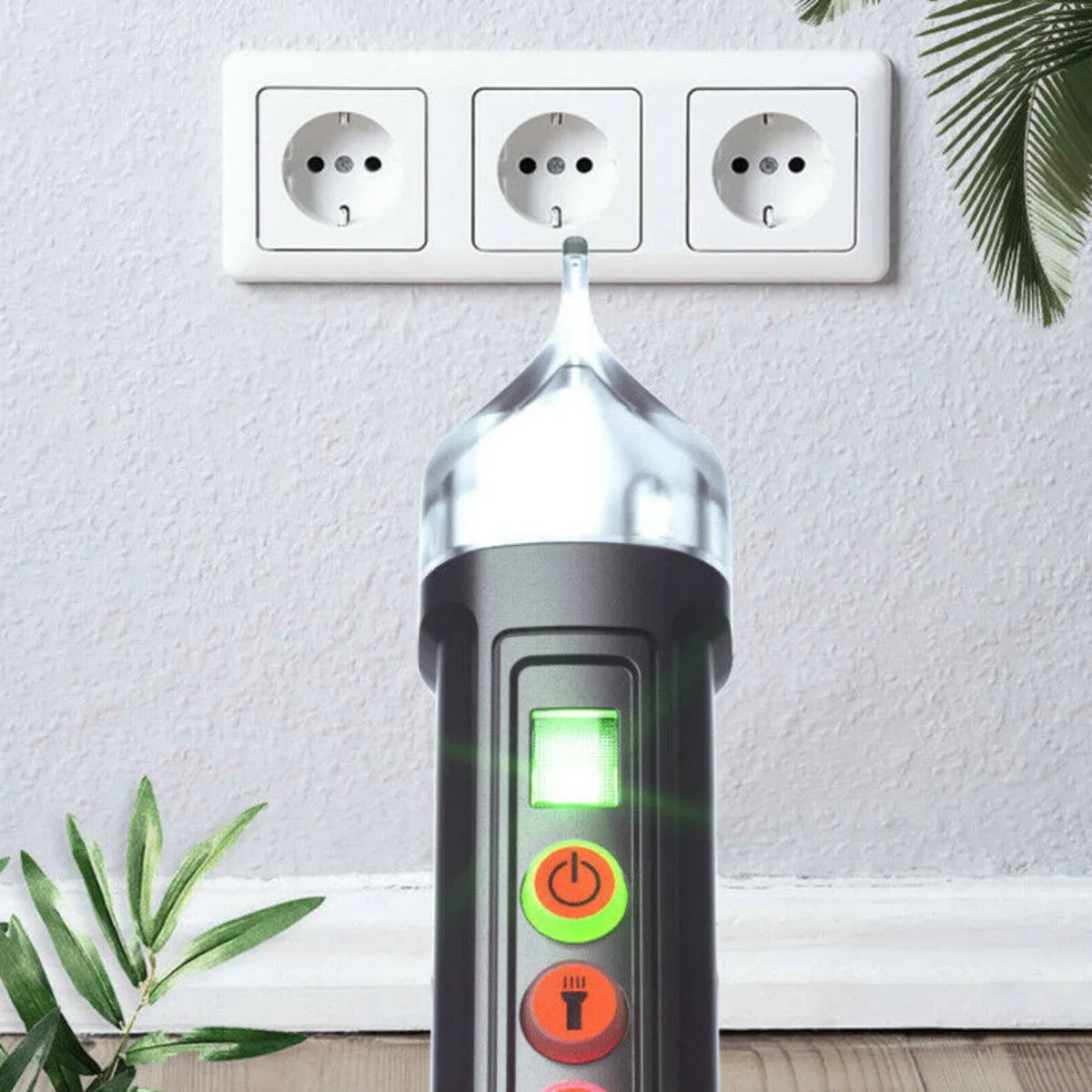
The test pencil's value proposition centres on its specific detection capabilities rather than attempting to compete with full-featured multimeters or voltage testers. Its focused functionality addresses particular needs within electrical testing scenarios where simple line identification represents the primary requirement, offering a more targeted solution than general-purpose testing equipment.
Reuse and Low Maintenance
The automatic shut-off function represents the primary maintenance-related feature, helping to extend battery life by preventing accidental drain during storage or between uses. This power management approach supports repeated use over time without frequent battery replacements, particularly valuable for tools that might sit unused for periods between household projects or professional jobs. The sensor-based testing method avoids physical contact that could wear down probe tips, while the audible and visual feedback systems don't appear to have consumable components requiring regular replacement or calibration.
Why Choose This Product
This test pencil suits users who need clear, immediate feedback about electrical line status without detailed voltage measurements. The distinct sound patterns and coloured displays create unmistakable signals that reduce interpretation errors compared to devices with similar auditory alerts but no visual confirmation. The option to purchase either one or two units provides flexibility for individual users or small teams, while the colour choice between AC 10 and Black allows for personal preference or tool identification in shared environments. Its value lies in this focused functionality rather than attempting to provide comprehensive electrical measurement capabilities beyond its designed purpose of solid versus empty line identification.