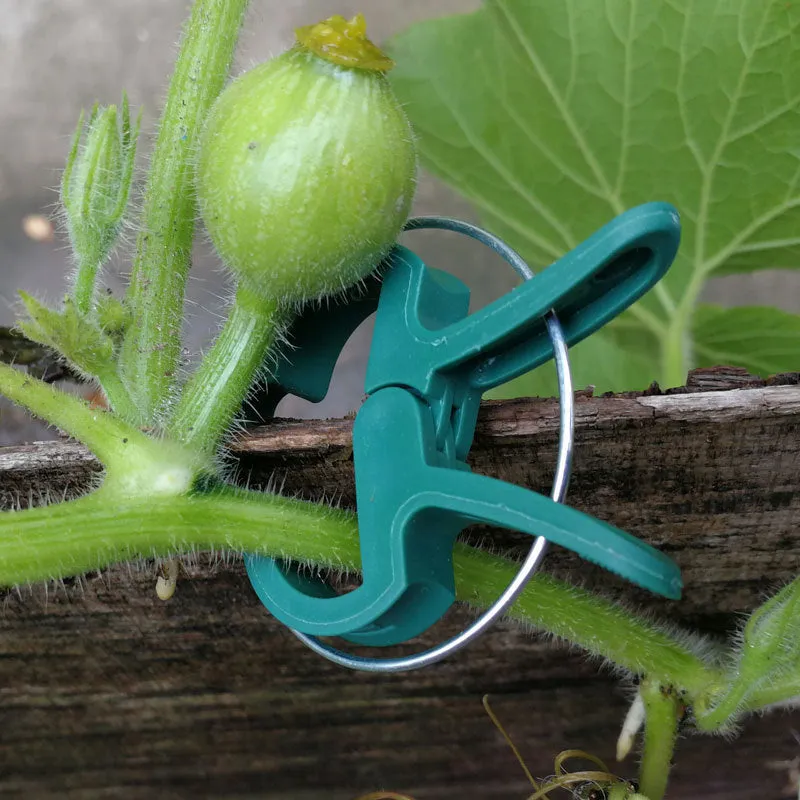
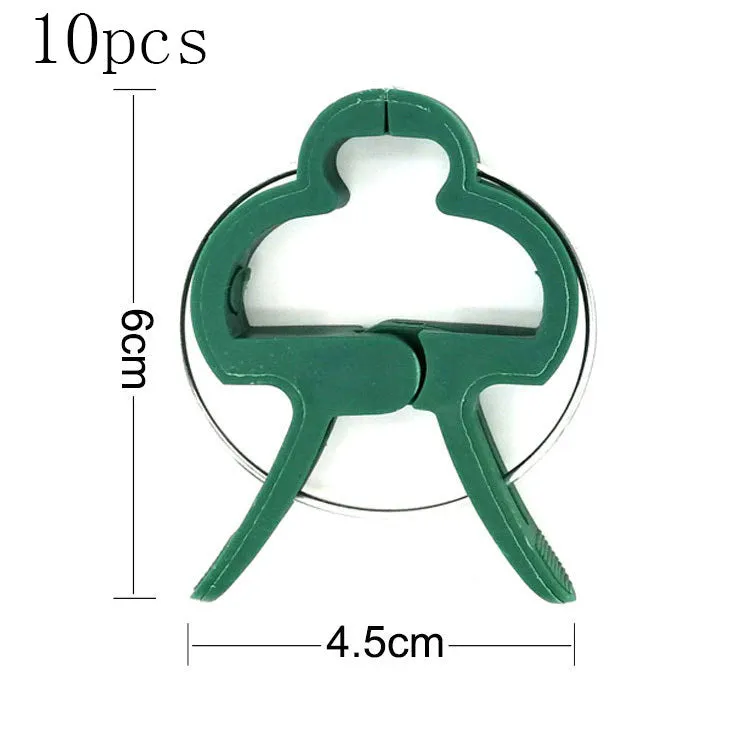
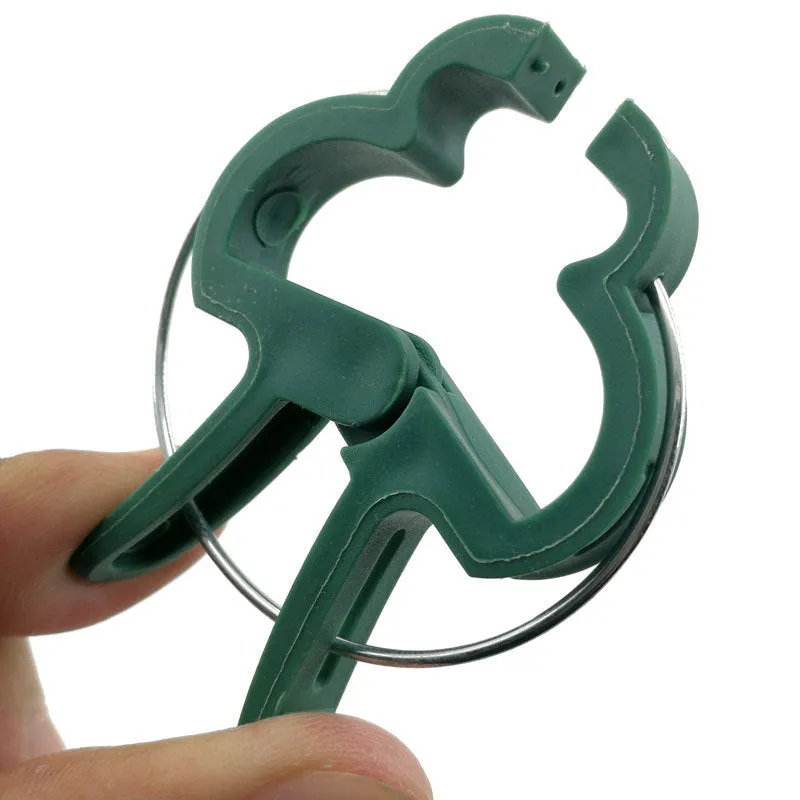
Large and small plant fixing clips for climbing vines, tomatoes, cucumbers and sweet peas made from plastic and zinc materials with green colour options available in 10+10, 10, 30, 50 or 100 piece pack sizes for securing plants without damage


Large and small plant fixing clips for climbing vines, tomatoes, cucumbers and sweet peas made from plastic and zinc materials with green colour options available in 10+10, 10, 30, 50 or 100 piece pack sizes for securing plants without damage
Plastic and Zinc Plant Fixing Clips: Large and Small Sizes for Tomatoes, Vines and Climbing Plants

These plant fixing clips offer a straightforward, practical method for supporting a range of climbing and vining plants in your garden or growing space. Designed with two distinct sizes—large and small—they cater to different plant strengths and types, from robust tomato plants and sturdy vines to more delicate climbers like sweet peas. The construction utilises a combination of plastic and zinc, with the plastic component noted as environmentally friendly to ensure it does not harm plant stems during application and growth. By providing a secure fixing point, these clips help guide plant growth, improve air circulation, and can contribute to healthier yields for vegetable plants like beans, cucumbers and tomatoes. Available in several pack size configurations and green colour variants, they present a versatile tool for gardeners seeking a reusable, plant-safe support solution.
Features and Construction

The core design of these clips centres on providing effective plant support without causing damage. Their multifunctional application spans several common garden plants, and the two-size system allows for appropriate matching to plant girth and weight.
Material and Build
The clips are constructed from two primary materials: plastic and zinc. The source text specifically highlights the plastic as being environmentally friendly, a practical consideration for garden use where contact with soil and plants is continuous. This material choice is directly linked to the key benefit of not damaging the plants, as softer plastics can flex without cutting into growing stems. The inclusion of zinc, likely in components like the clasp or hinge mechanism, adds structural integrity to the clip, helping it maintain its grip and function over time. Together, this material combination aims to balance gentle plant contact with sufficient holding strength for climbing vines and stems.
Size and Practical Fit
A defining feature is the availability of two clip sizes: large and small. This directly addresses the varying needs of different plants. The large clips are described as being suited for 'large plants such as strong, sturdy vines or tomatoes'. This indicates they are designed to accommodate thicker, heavier stems that require more substantial support. Conversely, the small clips are intended for 'other small plants', likely including lighter climbers like sweet peas or young plants. This size differentiation ensures gardeners can apply the correct clip to avoid over-tightening on delicate stems or under-supporting heavier ones, promoting better plant health and more secure fixing.
Uses and Placement

These clips are designed for a specific horticultural task: fixing the position of climbing or vining plants. Their use is not limited to ornamental gardening but extends to productive vegetable plots, making them a tool for both aesthetic and practical growing purposes.
Event or Professional Use
For larger-scale growing operations, market gardens, or professional horticultural displays, the availability of larger pack sizes (50 or 100 pieces) provides efficiency. The consistent size and function allow for quick, uniform installation along trellises or support frames for crops like tomatoes and cucumbers, which benefit from systematic training. The fact that they 'will not damage the plant, regardless of the size of the plant' is a key operational advantage, reducing plant stress and potential loss in commercial settings. Their reusable nature also contributes to cost-effectiveness over single-use ties or tapes in such environments.
Everyday Home Use
For the home gardener, these clips simplify the process of managing climbing plants. Whether training a sweet pea up an obelisk, supporting tomato plants in a greenhouse, or guiding bean vines along a fence, the clips provide a clean, organised method. The mixed pack of '10 large clips and 10 small clips' is particularly suited to mixed planting beds, allowing a household to tackle both their tomato plants and their flowering climbers with one product. Their plant-safe design offers peace of mind for gardeners who are careful not to constrict or wound their plants, and the plastic/zinc construction suggests they can be left in place for the season and stored for reuse the following year.
Benefits and Buying Value

The value of these clips lies in their targeted functionality, material safety for plants, and the flexibility offered by size and pack options. They address a common gardening need with a dedicated tool, moving away from improvised solutions.
Reuse and Low Maintenance
The construction from durable materials like plastic and zinc implies these clips are built for reuse across multiple growing seasons. Unlike biodegradable twine or single-use ties, they can be collected at the end of a crop, cleaned, and stored. The minimal care required—simple wiping clean—adds to their long-term utility. This reusability transforms them from a consumable into a gardening tool, offering ongoing value after the initial purchase. For gardeners practising sustainable methods, the environmentally friendly plastic and potential for multi-year use align with reducing garden waste.
Why Choose This Product
Choosing these plant fixing clips comes down to their specific design for the task. They provide a neater, more reliable alternative to loosely tied string or wire, which can slip or cut into plants. The explicit design goal of not damaging plants is a significant advantage for careful cultivators. Furthermore, the choice of pack sizes—from a small 10-piece pack for a limited project to a 100-piece bulk pack for extensive planting—means you only buy what you need. The two-size system within the mixed pack also offers immediate versatility, making it a practical choice for gardens with a variety of plant types, from substantial vegetable vines to daintier ornamental climbers.