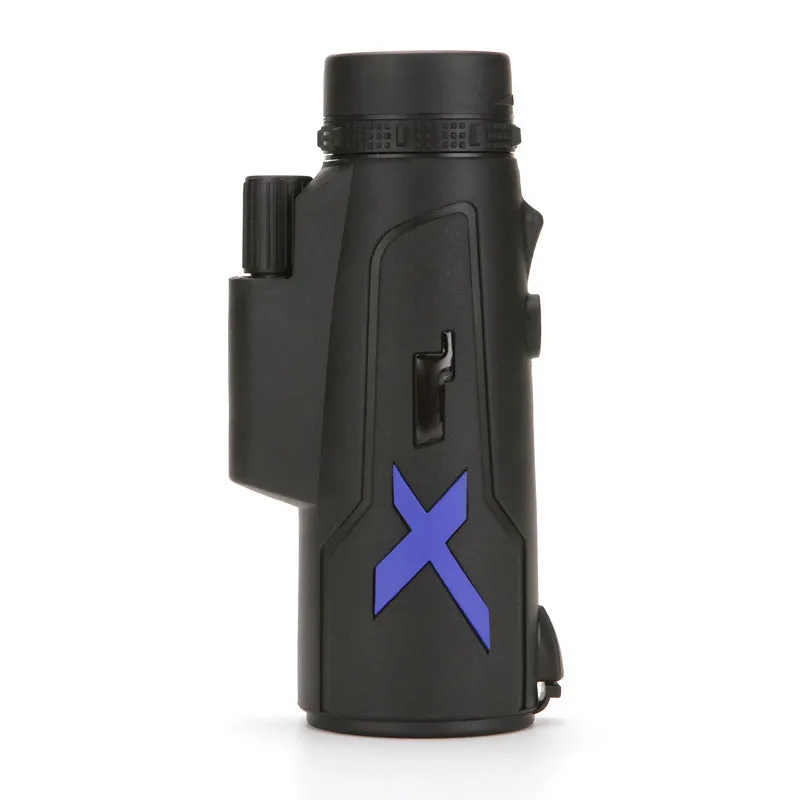
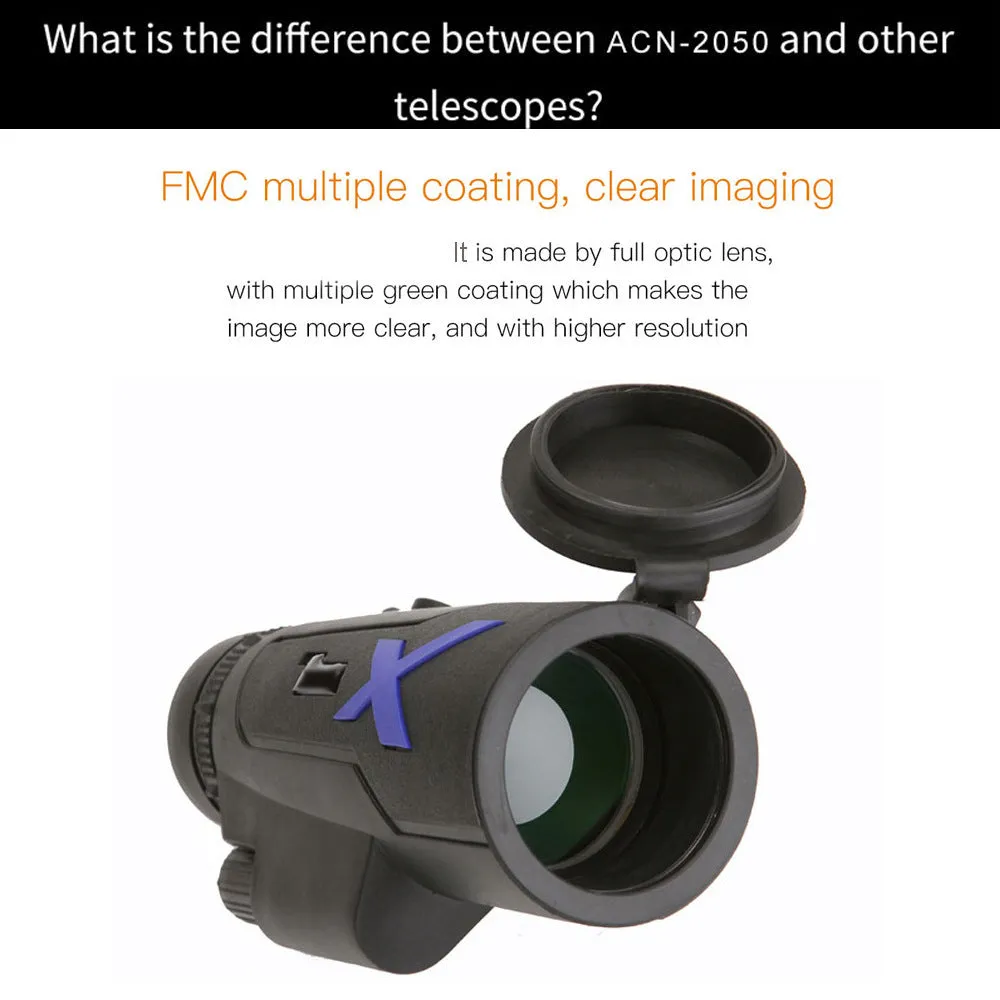
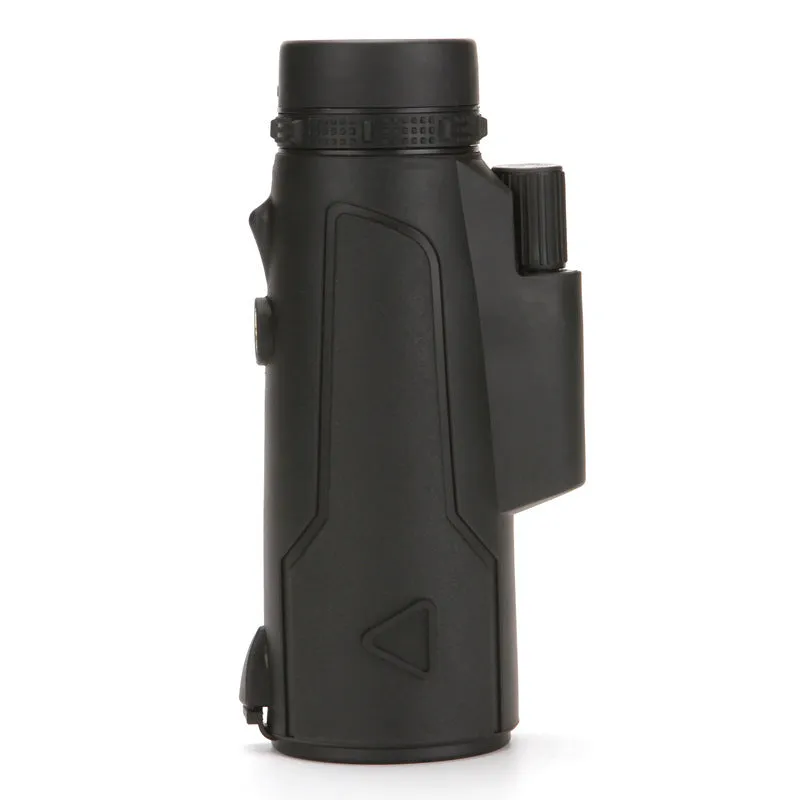
Monocular telescope 12x magnification with 168m field of view at 1000m, 50mm objective lens diameter, 4.5mm exit pupil and 22mm exit pupil diameter for bird watching, hiking, sports events and general outdoor observation.


Monocular telescope 12x magnification with 168m field of view at 1000m, 50mm objective lens diameter, 4.5mm exit pupil and 22mm exit pupil diameter for bird watching, hiking, sports events and general outdoor observation.
12x50 Monocular Telescope with 168m Field of View for Outdoor Observation

This monocular telescope offers 12x magnification through a 50mm objective lens, designed for civilian use in various outdoor scenarios. With a stated field of view of 168 metres at 1000 metres distance, it provides a substantial viewing area for tracking moving subjects like birds or following sports action. The 4.5mm exit pupil and 22mm exit pupil diameter contribute to light transmission and viewing comfort. As a general observation instrument, it serves multiple purposes without specialised calibration requirements.
Features and Construction
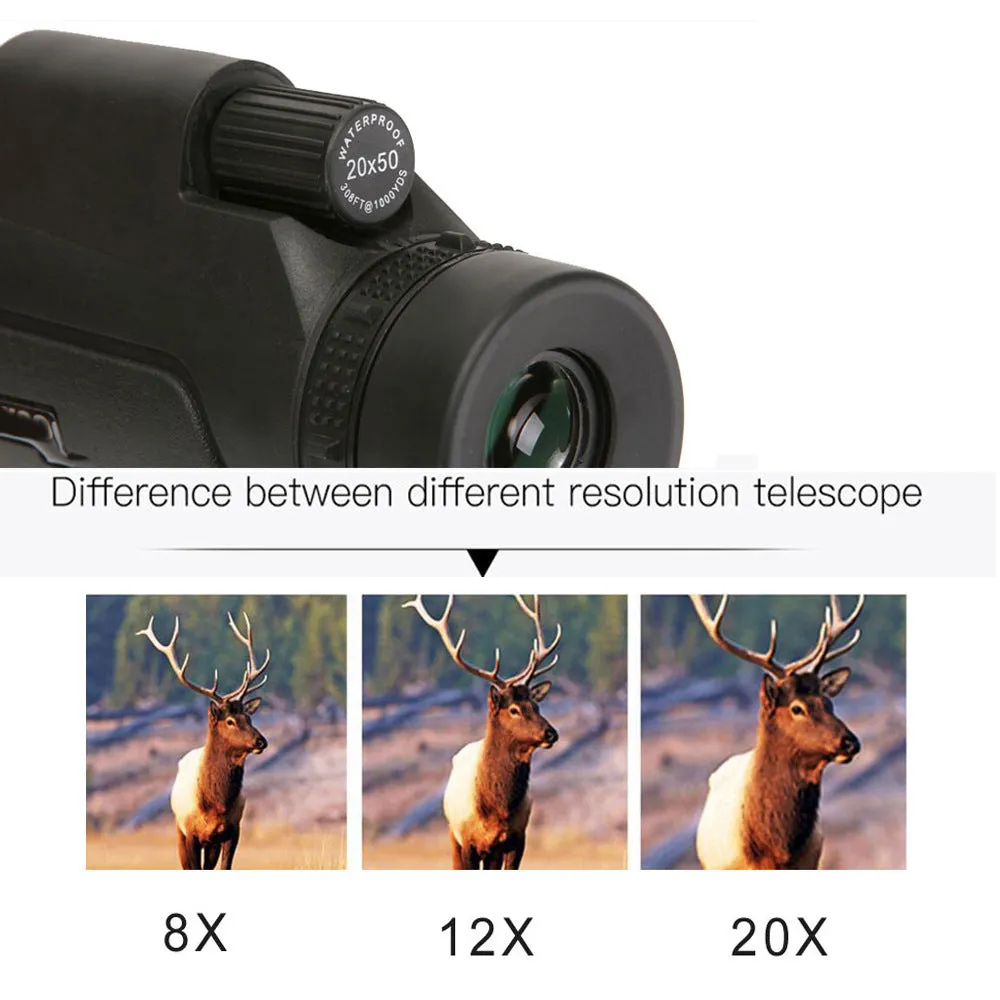
The monocular combines optical specifications that balance magnification with field of view. Its construction follows standard monocular design principles, though specific details about lens coatings, prism type, and housing materials require reference to manufacturer specifications beyond the provided source data.
Material and Build
Monocular telescopes typically incorporate optical glass lenses within a cylindrical housing that may include metal components for durability and polymer elements for weight reduction. The focusing mechanism allows adjustment to accommodate different viewing distances and individual eyesight variations. Without explicit material specifications in the source text, practical maintenance involves protecting from impacts and keeping lenses clean.
Size and Practical Fit
With a 50mm objective lens diameter, this monocular gathers sufficient light for daytime observation and brighter low-light conditions. The 22mm exit pupil diameter indicates the size of the light beam reaching the eye, affecting brightness perception. The physical dimensions support one-handed operation or two-handed stability, making it portable for hiking, travel, or event attendance without requiring tripod mounting for basic use.
Uses and Placement
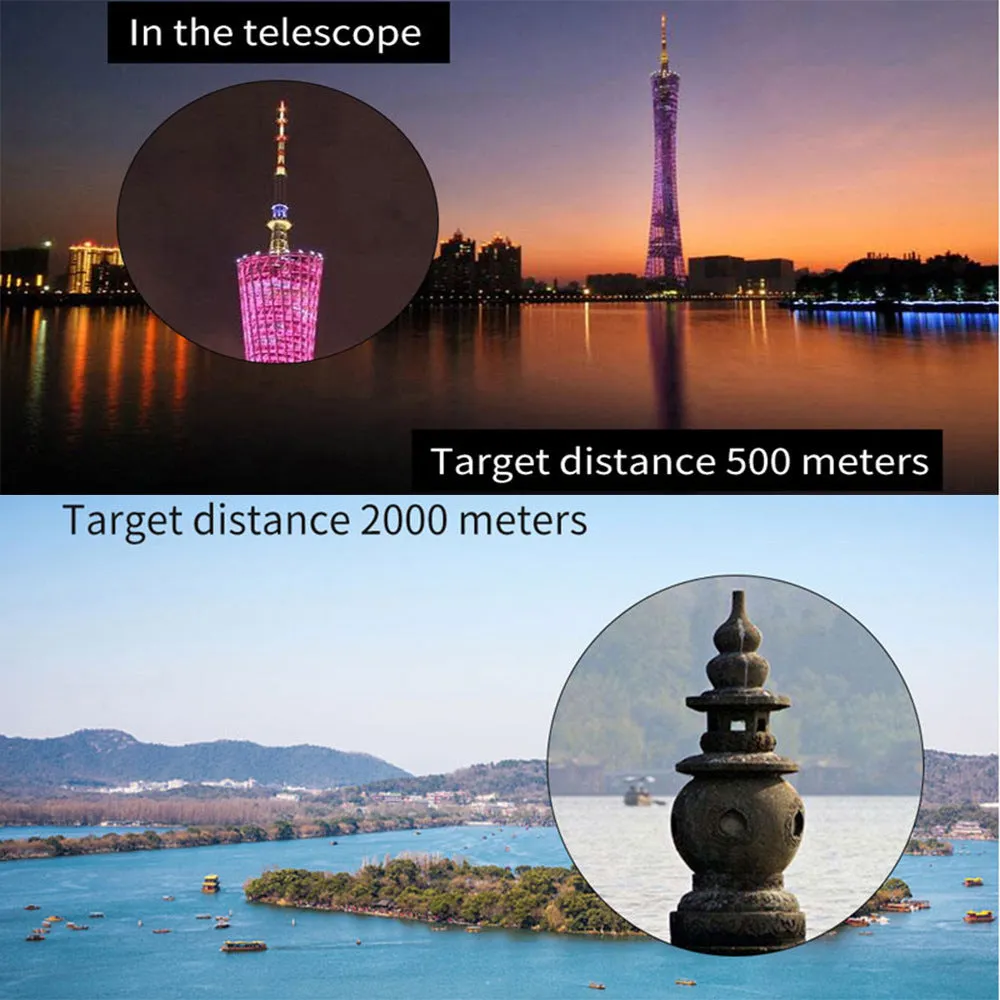
Described as a civilian telescope for general use, this instrument applies to multiple observation scenarios where binoculars might be less convenient. Its single-eye viewing design offers quick deployment and compact storage compared to bulkier alternatives.
Event or Professional Use
At sports events, concerts, or races, the 12x magnification brings distant action closer while the wide field helps track moving participants. For professional applications like security monitoring, construction site oversight, or nature surveying, the monocular provides a portable viewing tool. The resolution specification of 100 relates to image clarity, though testing under actual conditions determines practical performance for specific tasks.
Everyday Home Use
For residential observation, the monocular serves for birdwatching in gardens, checking distant house details, or viewing scenery. Its civilian designation indicates suitability for general consumers rather than specialised military or scientific applications. The black colour option mentioned in the source provides a neutral appearance that doesn't stand out conspicuously in natural or urban environments.
Benefits and Buying Value
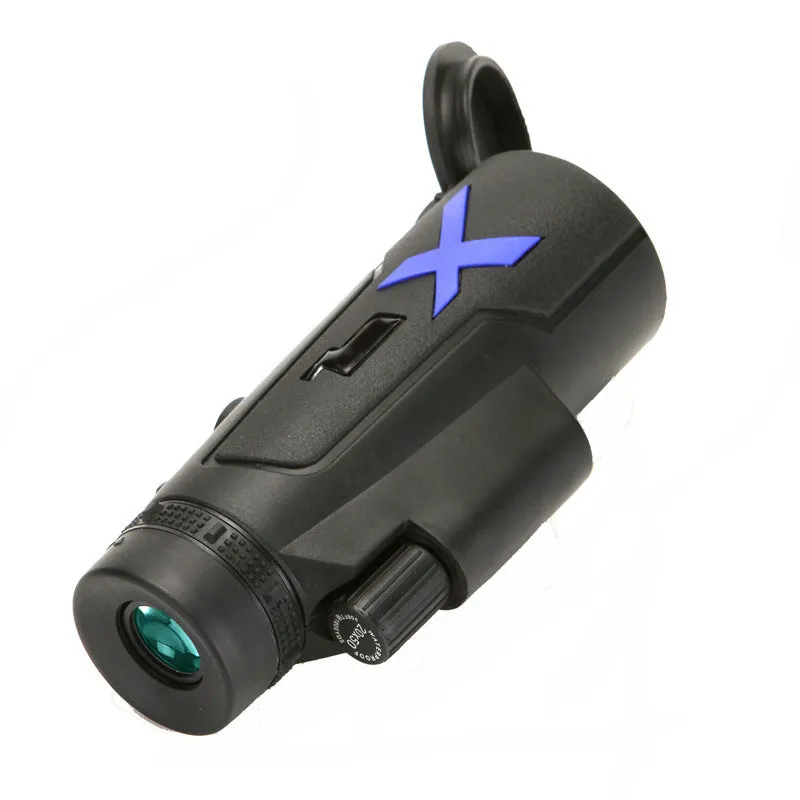
The monocular format offers particular advantages over other optical instruments for certain users and situations. Understanding these practical benefits helps determine whether this product matches specific observation needs.
Reuse and Low Maintenance
With no complex mechanical parts beyond the focusing mechanism, monoculars typically require minimal maintenance beyond lens cleaning and protection from extreme impacts. The single optical path reduces alignment issues that can affect binoculars. Without electronic components, the instrument functions independently of battery power or charging, ready for immediate use when needed.
Why Choose This Product
This 12x50 monocular suits users seeking greater portability than binoculars provide, or those who prefer single-eye viewing for quick spotting. The 168m field of view at 1000m offers a balance between magnification and viewing area that works well for following moving subjects. For general outdoor observation where specialised features like rangefinding, image stabilisation, or extreme magnification aren't required, this specification combination provides practical functionality.