
Virtual Keyboard Development Board for ATMEGA32U4 Microcontroller: A 50mm x 16mm USB Interface for Direct Keyboard Matrix Programming and Prototyping
ATMEGA32U4
£20.98
Sale price
£20.98
Regular price
Skip to product information

 This virtual keyboard development board provides a dedicated platform for creating custom USB input devices. Centred on the ATMEGA32U4 microcontroller, it handles USB HID communication at a standard data rate, allowing developers to focus on designing their key matrix and firmware logic. The board's 50mm by 16mm footprint is designed for easy integration into final project enclosures, making it a practical tool for developing everything from ergonomic keyboards to specialised control panels without the overhead of designing a USB interface from scratch.
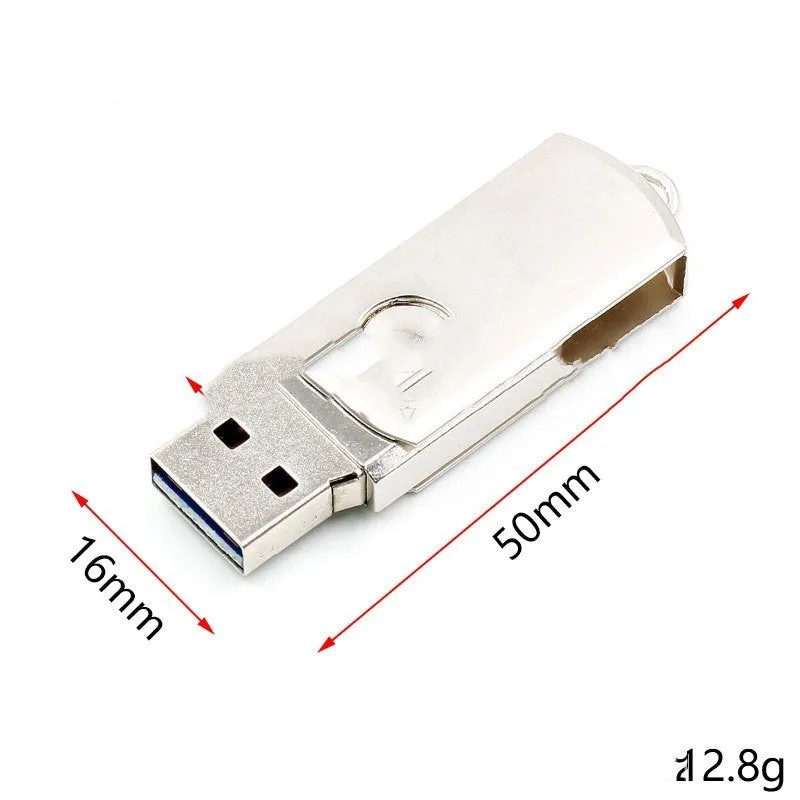 This section details the specific technical attributes and construction of the virtual keyboard development board, explaining how its design supports rapid prototyping and reliable performance in custom keyboard projects.
 This board serves as a fundamental building block for a wide range of custom input projects. Its primary value lies in translating a physical switch matrix into a recognisable USB keyboard signal, opening doors for bespoke hardware solutions.
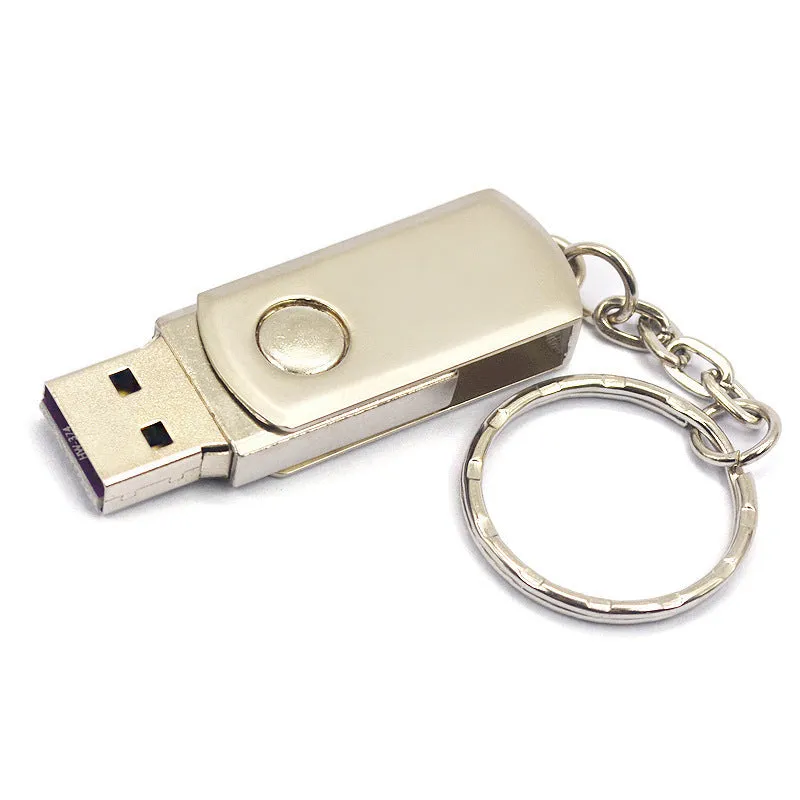 Choosing this specific development board for a keyboard project offers distinct advantages over more generic or self-designed solutions, primarily in saved development time and reduced complexity.


Virtual Keyboard Development Board for ATMEGA32U4 Microcontroller: A 50mm x 16mm USB Interface for Direct Keyboard Matrix Programming and Prototyping
£20.98
Sale price
£20.98
Regular price
ATMEGA32U4 Virtual Keyboard Development Board: A 50mm USB Interface for Custom Keyboard Prototyping
Features and Build Quality of the Development Board
Compact PCB Design and Dimensions
The board utilises a single-layer or multi-layer FR-4 PCB, a standard material for prototyping known for its durability and stable electrical properties. The total area is precisely 50 millimetres in length and 16 millimetres in width. This compact size is a deliberate design choice to minimise the board's footprint within a prototype, allowing more space for the custom key matrix, wiring, and the final enclosure, whether for a handheld game controller or a compact macro pad.ATMEGA32U4 Microcontroller Core
The core technical component is the ATMEGA32U4 AVR microcontroller. This chip integrates a full USB 2.0 controller, enabling the board to communicate as a standard HID (Human Interface Device) keyboard directly with a computer. It operates at a standard USB data rate, ensuring compatibility without requiring custom drivers on most operating systems. The microcontroller provides sufficient I/O pins to connect a matrix of keys, with the exact number defined by the chip's datasheet, allowing for the implementation of complex layouts.Soldering and Connection Reliability
Quality is demonstrated through the use of surface-mount technology for the primary components, including the microcontroller. This manufacturing technique provides strong, reliable solder joints that can withstand the handling involved during the prototyping phase. The PCB features plated through-holes or designated solder pads for connecting external components like switches and diodes, designed to endure multiple soldering and desoldering cycles as the key matrix design is iterated and tested.Practical Applications for the Development Board
Professional Prototyping and Product Development
For product developers and engineers, this board accelerates the creation of custom input devices. It can be used to prototype novel keyboard layouts for ergonomic studies, create dedicated control panels for music production software or video editing suites, or develop accessibility aids like one-handed keyboards or sip-and-puff switches interfaced as key presses. The integrated USB functionality means the prototype can be tested immediately with target software.Maker and Hobbyist Projects
For the DIY enthusiast, this board simplifies advanced projects. The tactile process of wiring a custom key matrix—feeling the click of each switch soldered into place—is paired with the immediate feedback of seeing those custom keys register on a computer screen. It enables the creation of unique peripherals, such as a custom macro pad for streaming software, a dedicated controller for flight simulators using toggle switches and buttons, or a revitalised vintage keyboard with a modern USB interface.Versatility in Educational Settings
The board's simplicity makes it a versatile tool for education. It can be used in electronics courses to teach microcontroller programming, USB protocols, and input device design. Students can progress from lighting an LED to programming a functional, multi-key keyboard, gaining practical understanding of embedded systems, matrix scanning algorithms, and HID device classes through a hands-on, project-based approach.Key Benefits of Using This Development Board
Long-Term Value and Cost Efficiency
The board provides long-term value by consolidating several components into one. It replaces the need to source a separate microcontroller, a USB-to-serial chip, and the supporting circuitry for a stable USB connection. For a developer, this represents a saving in both component cost and, more significantly, in design and debugging time. A single, tested board reduces the risk of project failure due to USB interface issues, allowing investment of time into the unique aspects of the custom keyboard.User Satisfaction and Project Confidence
The satisfaction comes from the confidence that the USB interface layer is already solved. This peace of mind is directly provided by the proven ATMEGA32U4 hardware and its standard USB data rate implementation. A developer can trust that when they press a key on their custom matrix, the signal will reach the computer reliably, allowing them to focus their creative and problem-solving energy on the layout, firmware features, and enclosure design rather than low-level communication protocols.Streamlined Development Process
The primary reason to choose this board is to streamline the development journey from concept to functional prototype. By providing a ready-made, compact USB keyboard core, it removes a significant technical hurdle. This allows developers, makers, and students to move more quickly to the rewarding stage of using their custom creation, testing its feel, and iterating on its design, ultimately leading to a more polished and successful final product.