
Wind Car DIY Electronic Kit Children's Educational Science Toys 7-14 Year Olds Creative Invention Experiment Kit with Acrylic Metal Plastic Parts and AA Battery Power for Scientific Cognitive Training


Wind Car DIY Electronic Kit Children's Educational Science Toys 7-14 Year Olds Creative Invention Experiment Kit with Acrylic Metal Plastic Parts and AA Battery Power for Scientific Cognitive Training
Wind Car DIY Electronic Kit for Children's Scientific Experiment and Cognitive Training
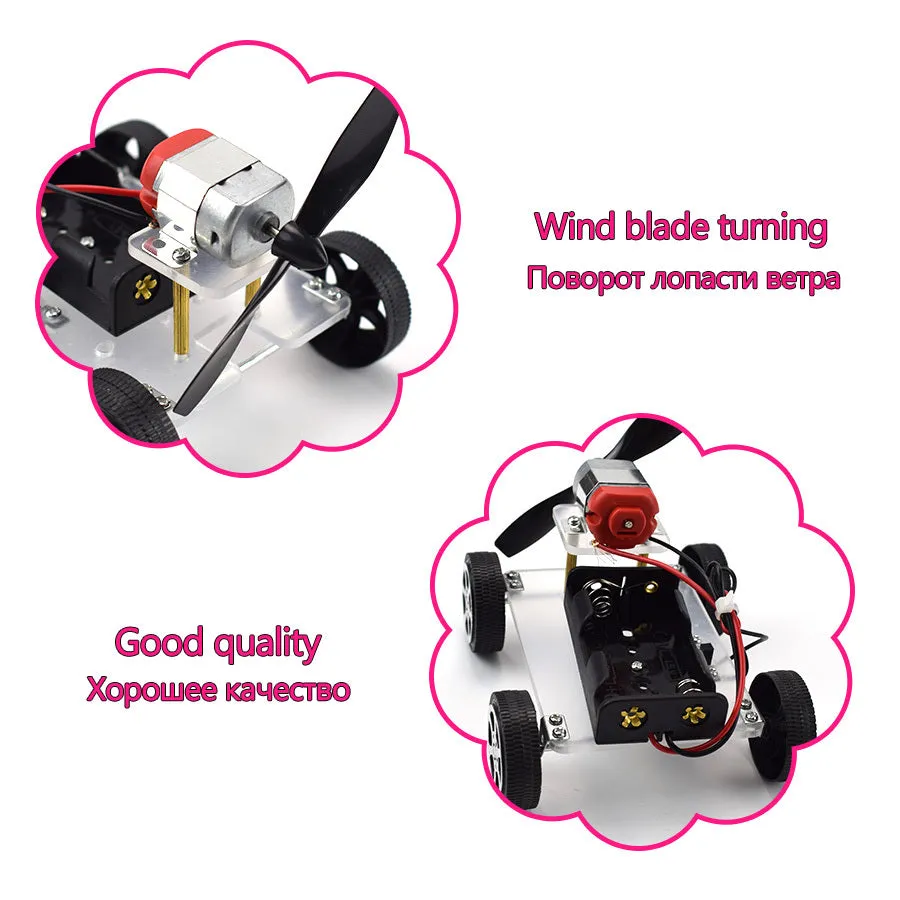
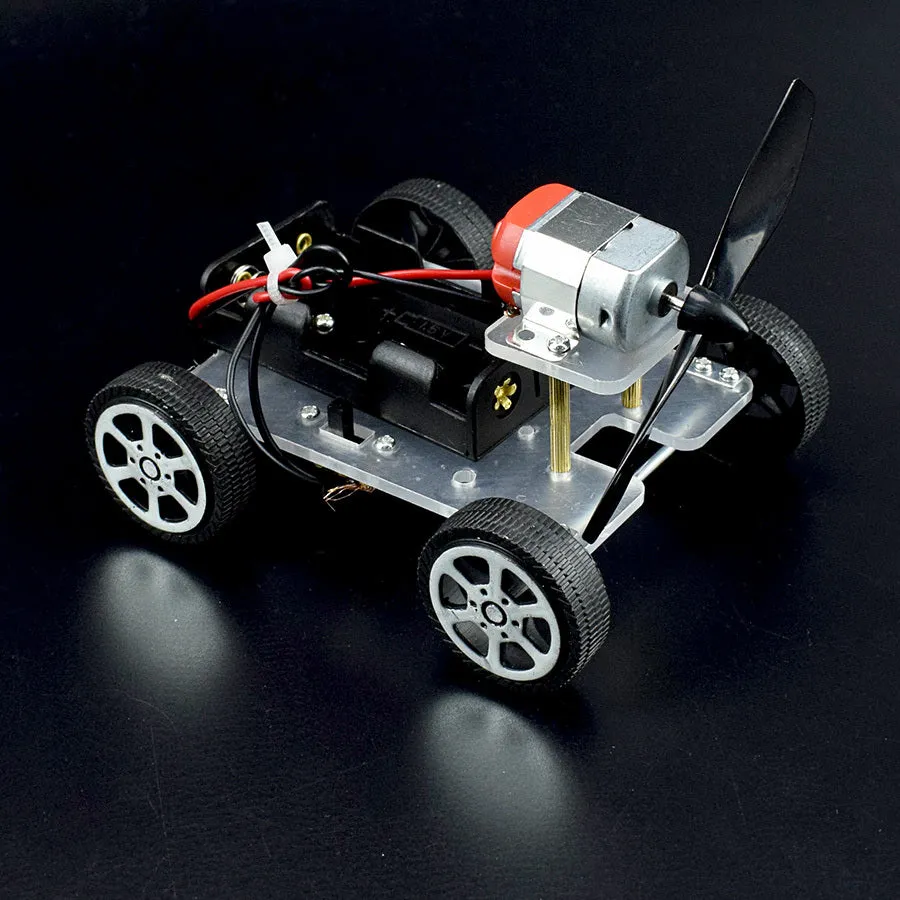
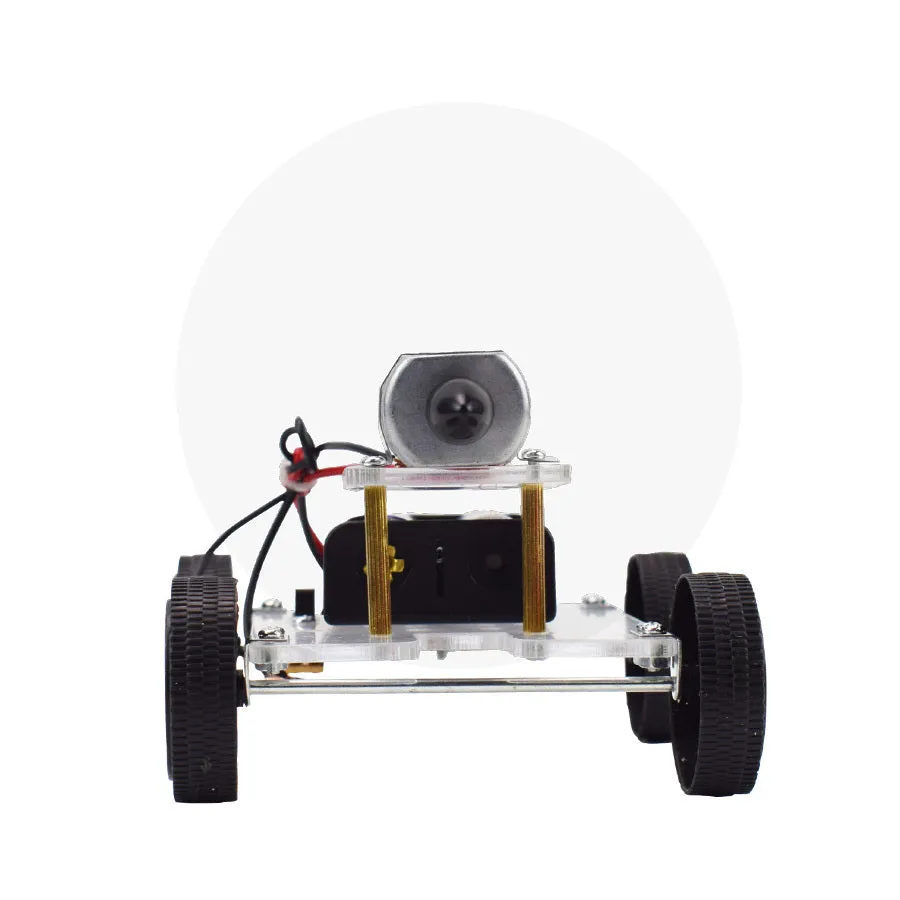
This Wind Car DIY Electronic Kit is a creative physics experiment project designed for children, typically aged 7-14, to engage with scientific principles through hands-on assembly and operation. It functions as an educational toy aimed at improving cognitive thinking ability by providing structured scientific training. The kit comes as a complete set containing all necessary acrylic, metal, and plastic components to build a functional wind-powered car model. Once assembled, the model measures 7.7 cm wide by 10 cm long by 8.2 cm high, creating a compact and manageable project for young scientists. Power for the electronic functions is provided with the kit, with AA batteries recommended for use.
Features and Construction

This kit is centred on a buildable wind car that demonstrates basic mechanics and renewable energy concepts. The construction process itself is a key part of the educational experience, designed to teach principles of physics and engineering.
Material and Build
The kit includes components made from three primary materials: acrylic, metal, and plastic. The acrylic pieces likely form structural panels or clear housings, the metal parts provide strength for axles or motor mounts, and the plastic elements are used for connectors, wheels, or body details. This combination offers a realistic building experience with different material properties. All parts required for assembly are included in the set, and the model is powered by the supplied batteries.
Size and Practical Fit
The finished wind car model is designed with compact dimensions, measuring 7.7 cm in width, 10 cm in length, and 8.2 cm in height. This size makes it suitable for use on a tabletop or desk, allowing for experiments in a contained space. The scale is practical for demonstrating propulsion and movement without requiring a large area, fitting easily into a child's play or study environment.
Uses and Placement
This product is intended for educational and recreational use, bridging the gap between play and learning. It serves specific roles in both structured educational settings and casual home environments.
Event or Professional Use
In formal settings like school science clubs, classrooms, or weekend workshops, this kit can be used as a focused project to teach physics concepts such as aerodynamics, gear trains, and electrical circuits. Its complete nature makes it suitable for guided group activities where a tangible outcome—a working wind car—is the goal. The emphasis on scientific training and cognitive development aligns with STEM curriculum objectives.
Everyday Home Use
At home, this kit provides an engaging, screen-free activity that encourages problem-solving and fine motor skills. It offers parents a tool for exploratory play that has an educational foundation. The assembly process and subsequent experimentation with the finished car can spark curiosity about science and invention, supporting early learning education outside of a formal classroom.
Benefits and Buying Value
The value of this product lies in its dual role as a toy and an educational tool. It provides a reusable platform for learning and experimentation based on the concrete components supplied.
Reuse and Low Maintenance
The constructed model can be used repeatedly for experiments, and its sturdy acrylic, metal, and plastic components allow for disassembly and reassembly. Maintenance is minimal, primarily involving battery replacement when needed. The design promotes longevity through reusable parts and a focus on fundamental mechanics rather than complex electronics that might fail.
Why Choose This Product
This kit is a practical choice for those seeking a hands-on science project with a clear objective. It provides all specific parts—acrylic, metal, plastic, and batteries—required to complete the build, removing the need to source materials separately. The defined size and focus on wind power offer a concrete learning experience about energy conversion, distinguishing it from more generic construction sets.
