Woven PE rope horse hanging feeding bag in multiple sizes including 60x90cm, 80x90cm, 120x90cm and 160x100cm for cattle and sheep


Woven PE rope horse hanging feeding bag in multiple sizes including 60x90cm, 80x90cm, 120x90cm and 160x100cm for cattle and sheep
Woven PE rope horse hanging feeding bag available in four sizes for cattle and sheep
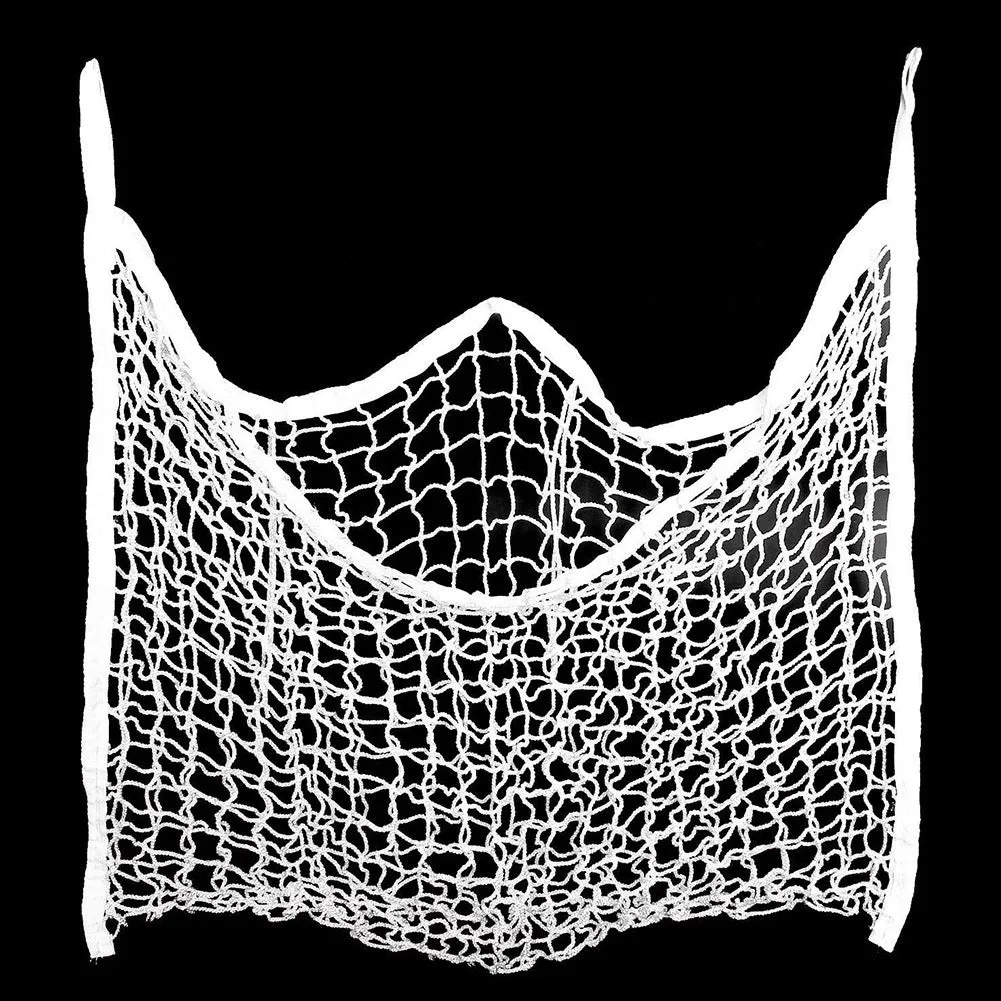
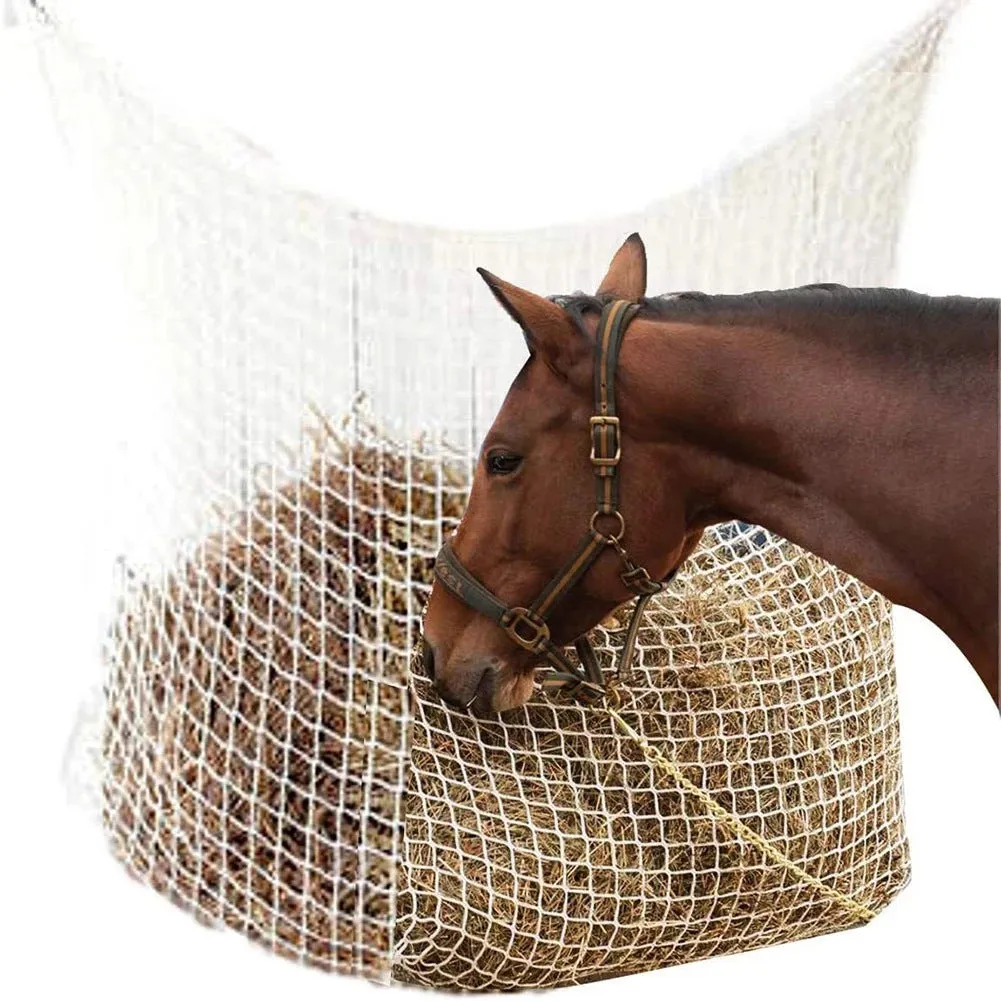
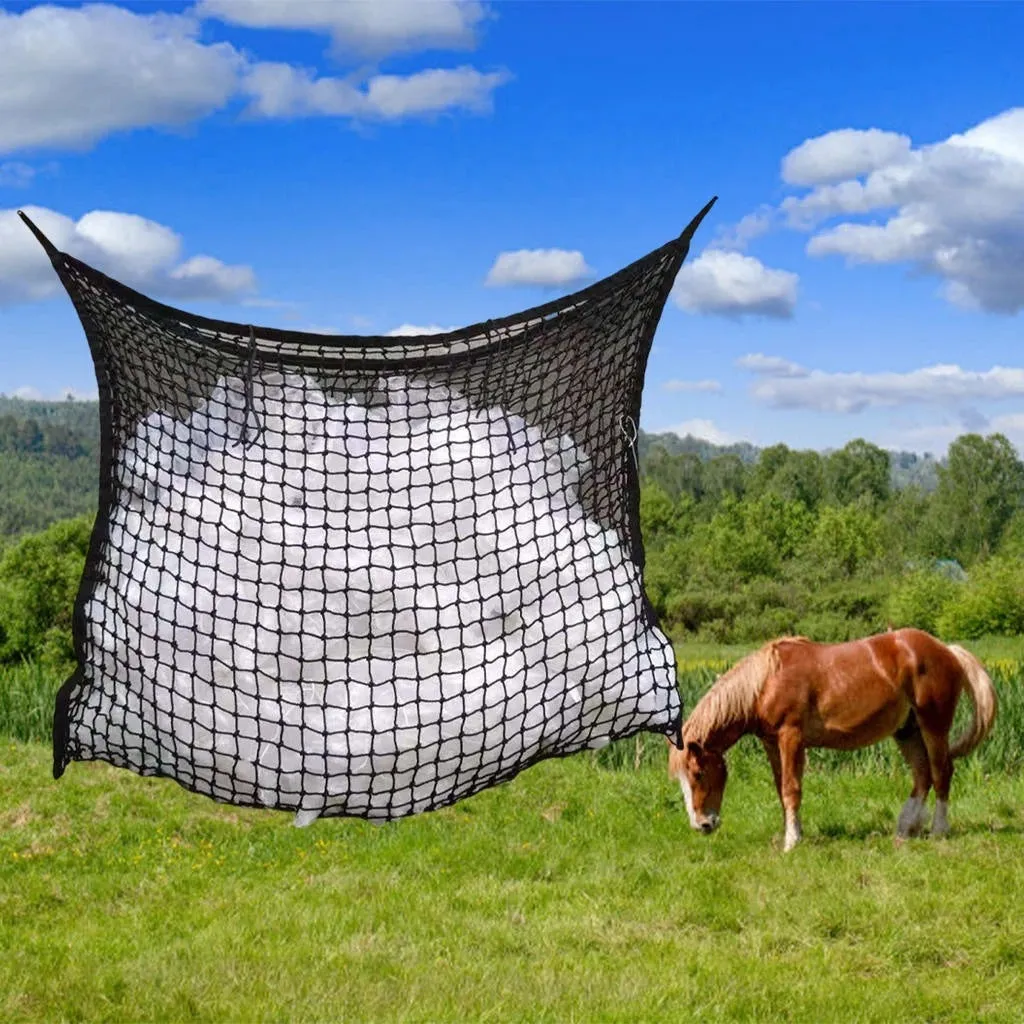
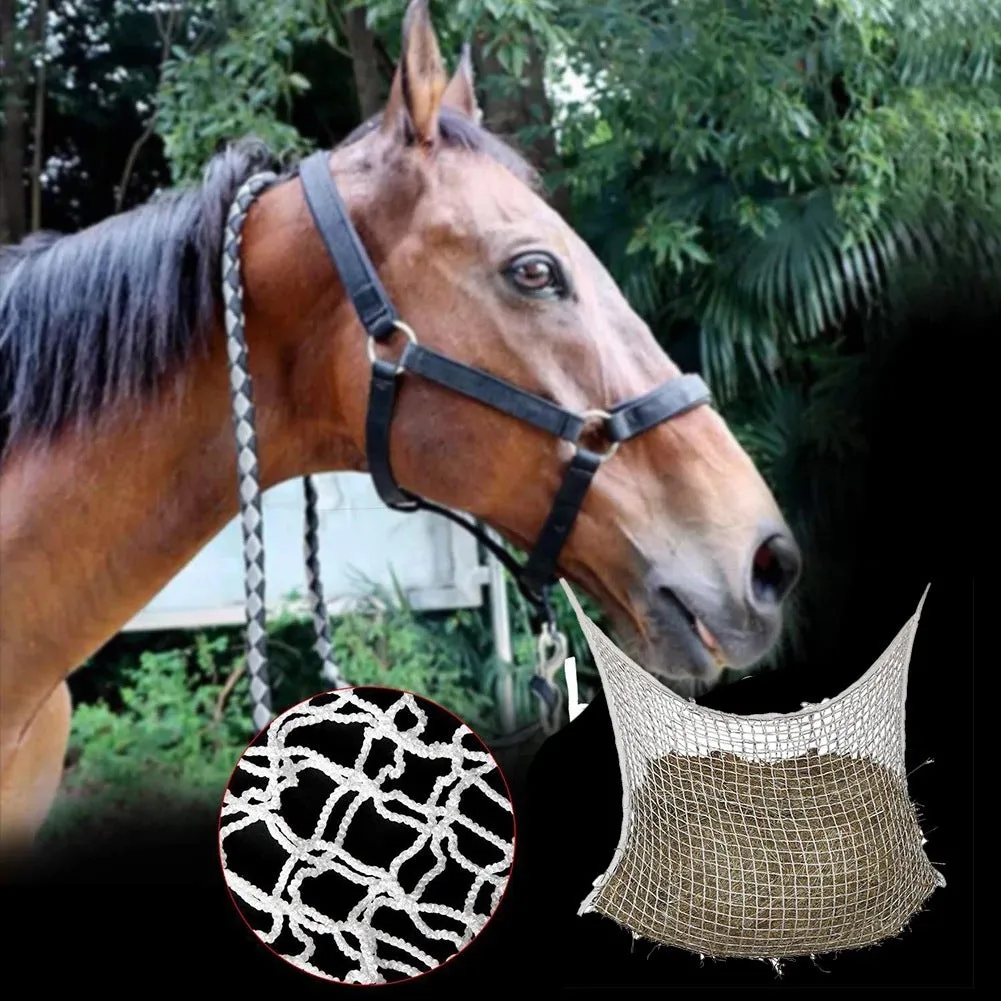
This woven polyethylene rope feeding bag provides livestock owners with a straightforward method for dispensing hay and feed to horses, cattle and sheep. Its grid construction allows animals to access feed while containing it securely, reducing spillage and waste around stables or paddocks. Available in black or white colour options, the hanging design facilitates mounting at various heights suitable for different sized animals. With four distinct dimensions offered, users can select the most appropriate size for their specific livestock requirements.
Features and Construction
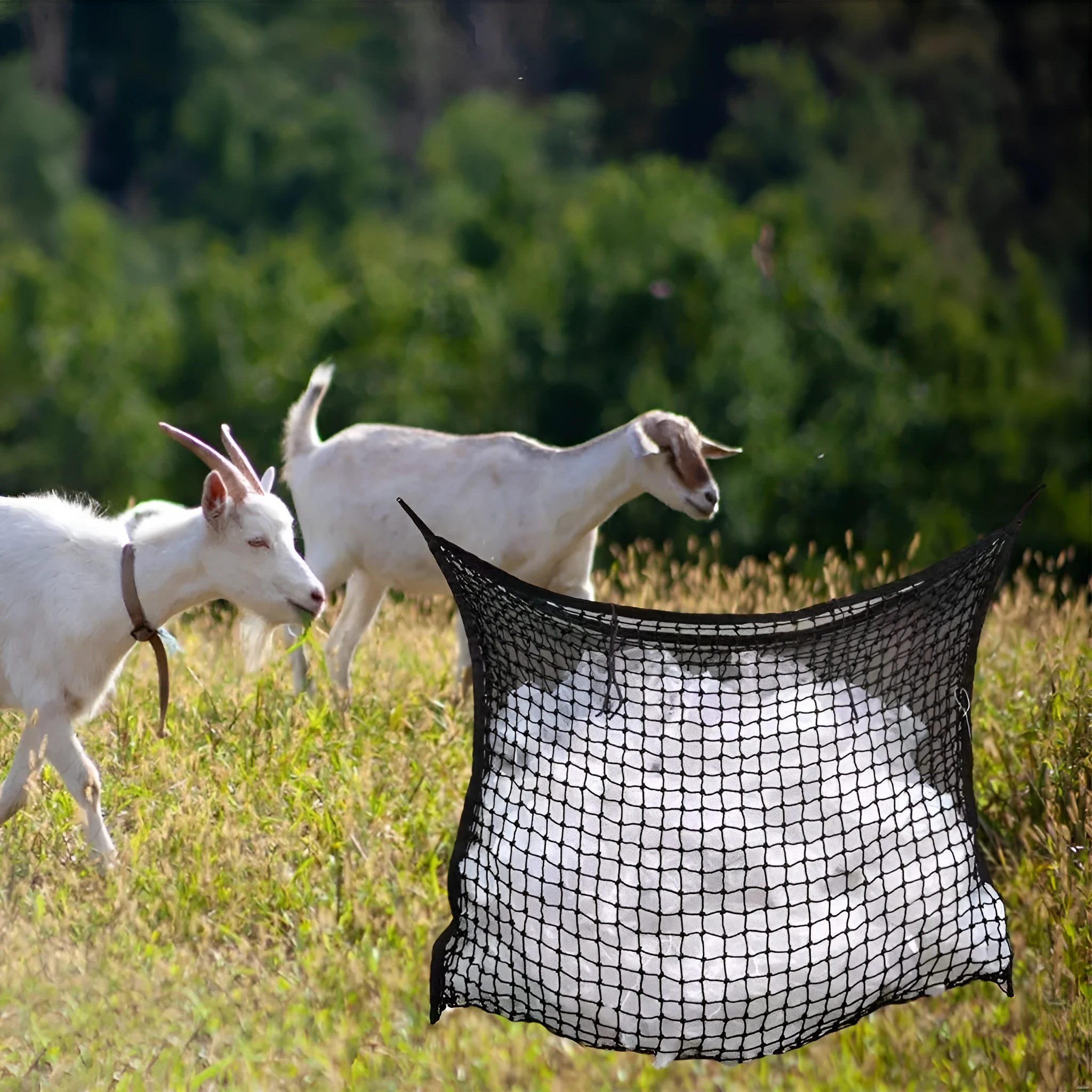
The feeding bag's design centres on practical functionality for agricultural and stable environments. Its construction and sizing options address different feeding scenarios for common livestock.
Material and Build
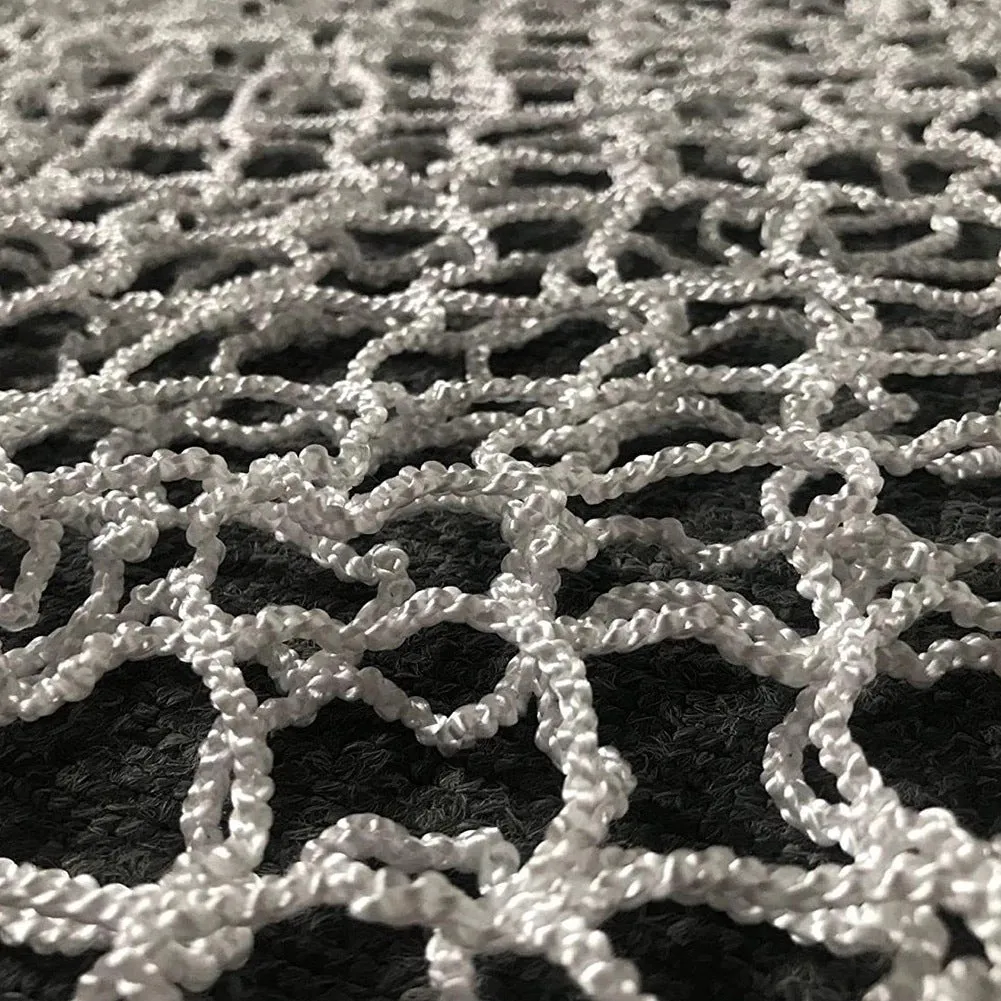
Constructed entirely from woven polyethylene (PE) rope, this feeding bag creates a durable mesh structure suitable for containing hay and feed. Polyethylene's synthetic nature offers resistance to moisture and general wear associated with livestock environments. The woven grid pattern provides ventilation while preventing large pieces from falling through, and the material's flexibility allows the bag to conform to its contents without losing structural integrity.
Size and Practical Fit
Four distinct size options accommodate different livestock needs: 60 centimetres by 90 centimetres, 80 centimetres by 90 centimetres, 120 centimetres by 90 centimetres, and 160 centimetres by 100 centimetres. The rectangular dimensions provide substantial capacity while maintaining a manageable profile when hung. The variation in sizes allows selection based on animal type, number of animals being fed, and available mounting space in stables or paddocks.
Uses and Placement

Designed specifically for horses, cattle and sheep, this feeding bag serves practical functions in various agricultural settings. Its application extends to both professional farming operations and smaller stable environments.
Event or Professional Use
For professional livestock operations, the feeding bag offers a systematic approach to feeding multiple animals while minimising feed waste. The hanging design allows for strategic placement along fence lines or in stable stalls, creating organised feeding stations. Event organisers or showground operators can utilise these bags for temporary feeding arrangements during equestrian events or agricultural shows, where controlled feeding reduces mess in public areas.
Everyday Home Use
For smaller stable owners or hobby farmers, the feeding bag provides a practical solution for daily feeding routines. The various sizes accommodate different numbers of animals, from single horses to small herds of sheep. Mounting the bag at an appropriate height prevents smaller animals from trampling feed while allowing comfortable access, and the grid design enables visual monitoring of remaining feed levels without removing the bag.
Benefits and Buying Value

The feeding bag's straightforward design offers several practical advantages for livestock management. Its construction and features address common feeding challenges in agricultural settings.
Reuse and Low Maintenance
The woven PE rope construction supports repeated use with minimal maintenance requirements. The synthetic material resists moisture absorption that can lead to mould in natural fibre alternatives, and its durability withstands regular handling by livestock. Simple periodic inspection for wear points maintains safety, and the material can be cleaned with water when necessary without specialised treatment.
Why Choose This Product
This feeding bag provides a practical feeding solution with four size options to match specific livestock requirements. The woven PE rope construction offers durability appropriate for agricultural use without unnecessary complexity. The hanging design facilitates flexible placement, while the grid pattern allows animals to access feed while containing it securely. The availability of black or white colour options provides some choice in appearance without compromising functionality.