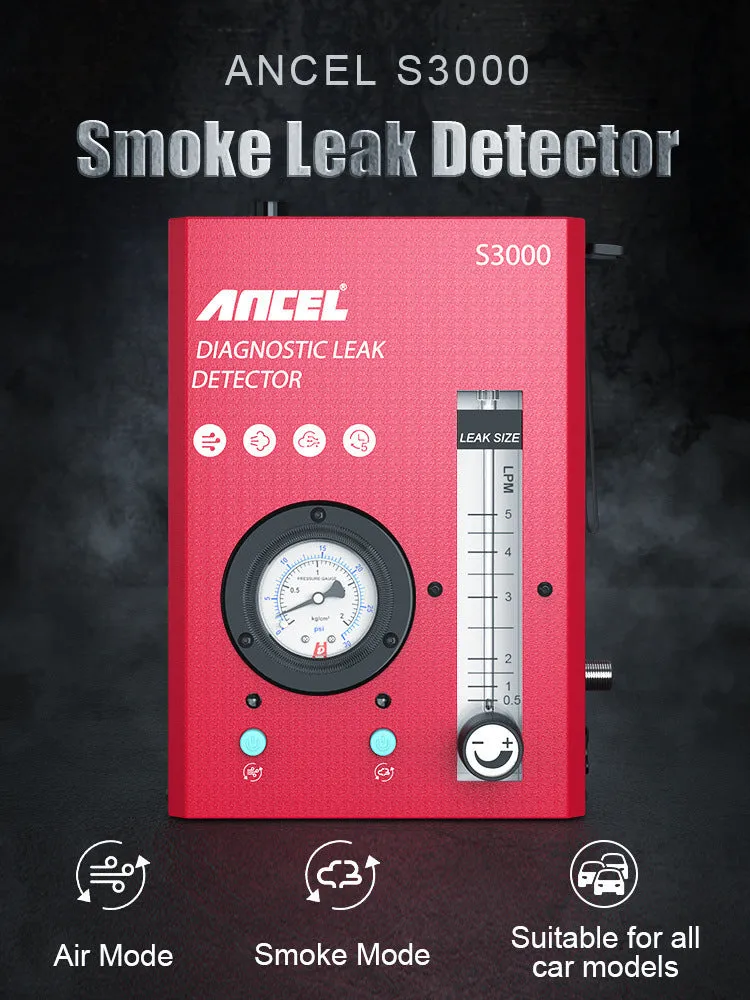
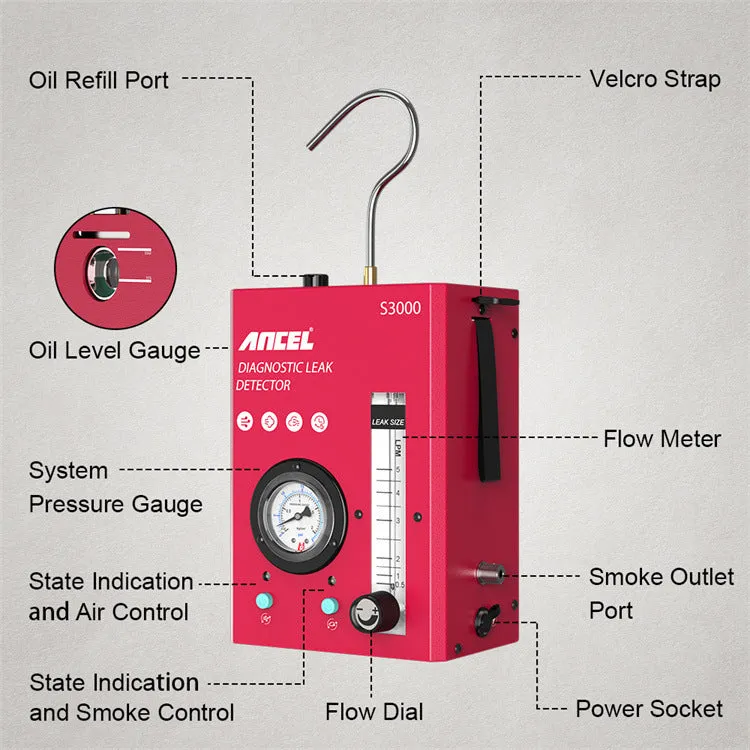
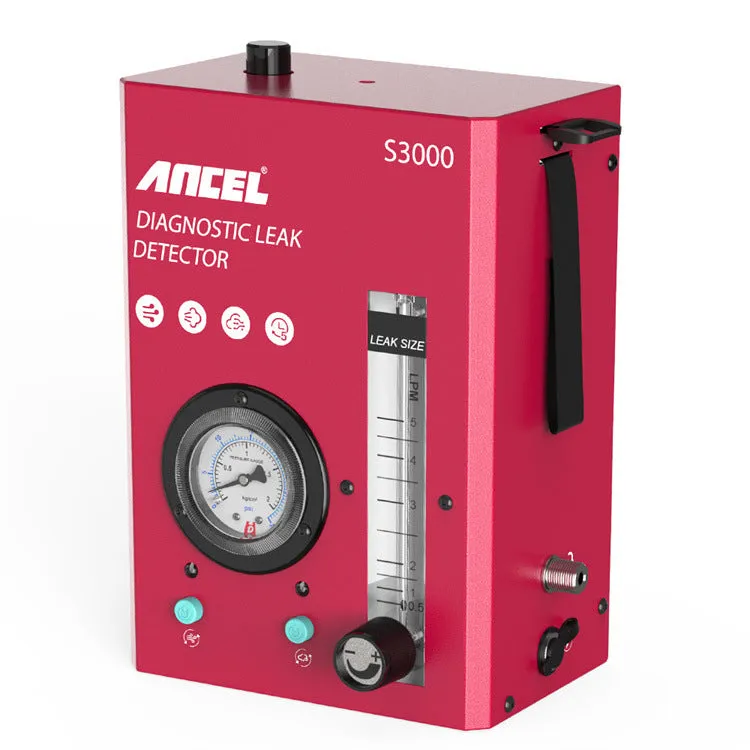
Car smoke detector vacuum leak tool kit professional automotive diagnostics device with S3000 model detector 12V power supply working temperature range -20 to 40 degrees Celsius for finding vacuum leaks in engine systems and gasket faults


Car smoke detector vacuum leak tool kit professional automotive diagnostics device with S3000 model detector 12V power supply working temperature range -20 to 40 degrees Celsius for finding vacuum leaks in engine systems and gasket faults
S3000 Car Smoke Detector Vacuum Leak Tool for Professional Automotive Diagnostics
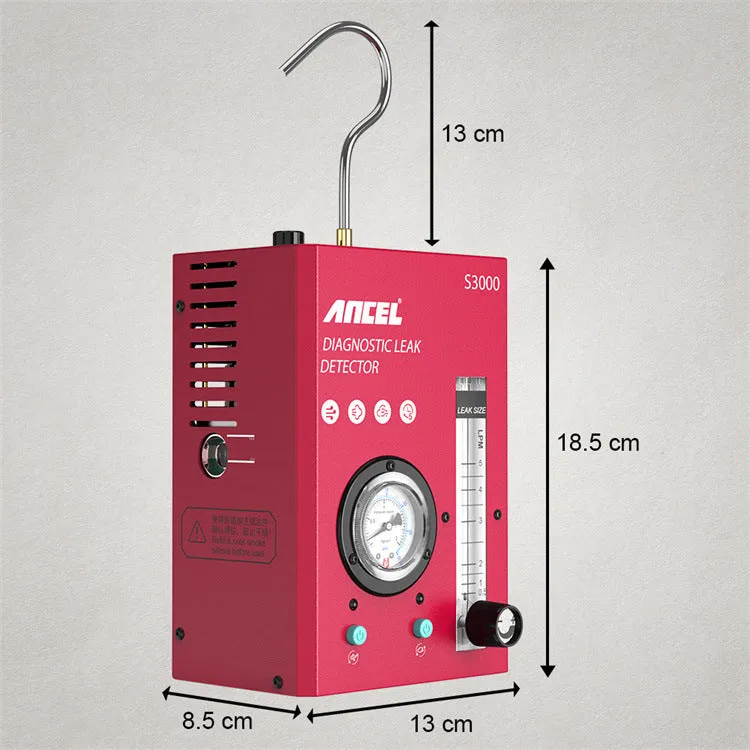
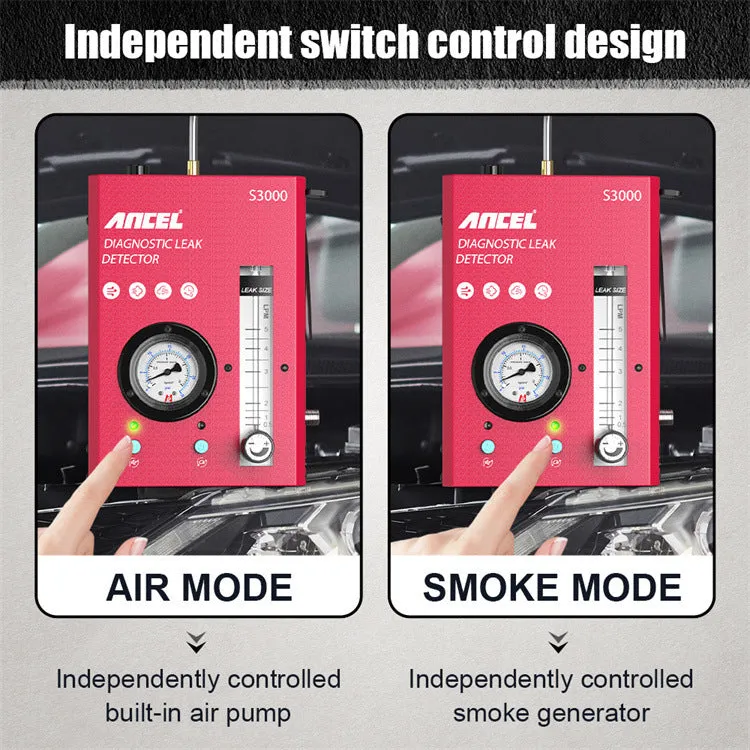
This S3000 model car smoke detector provides a methodical approach to finding vacuum leaks and gasket faults within engine systems. Designed for professional and advanced DIY use, it helps diagnose drivability issues like rough idling, high fuel consumption, and poor engine performance that can stem from unmetered air entering the intake. The tool generates smoke that is introduced into the vacuum system, allowing leaks to be visually identified as smoke escapes from compromised seals, hoses, or gaskets. This direct detection method can save significant diagnostic time compared to traditional trial-and-error approaches.
Features and Construction

The S3000 vacuum leak detector is built as a dedicated automotive diagnostic instrument. Its construction is focused on providing reliable performance in a typical garage or workshop setting.
Material and Build
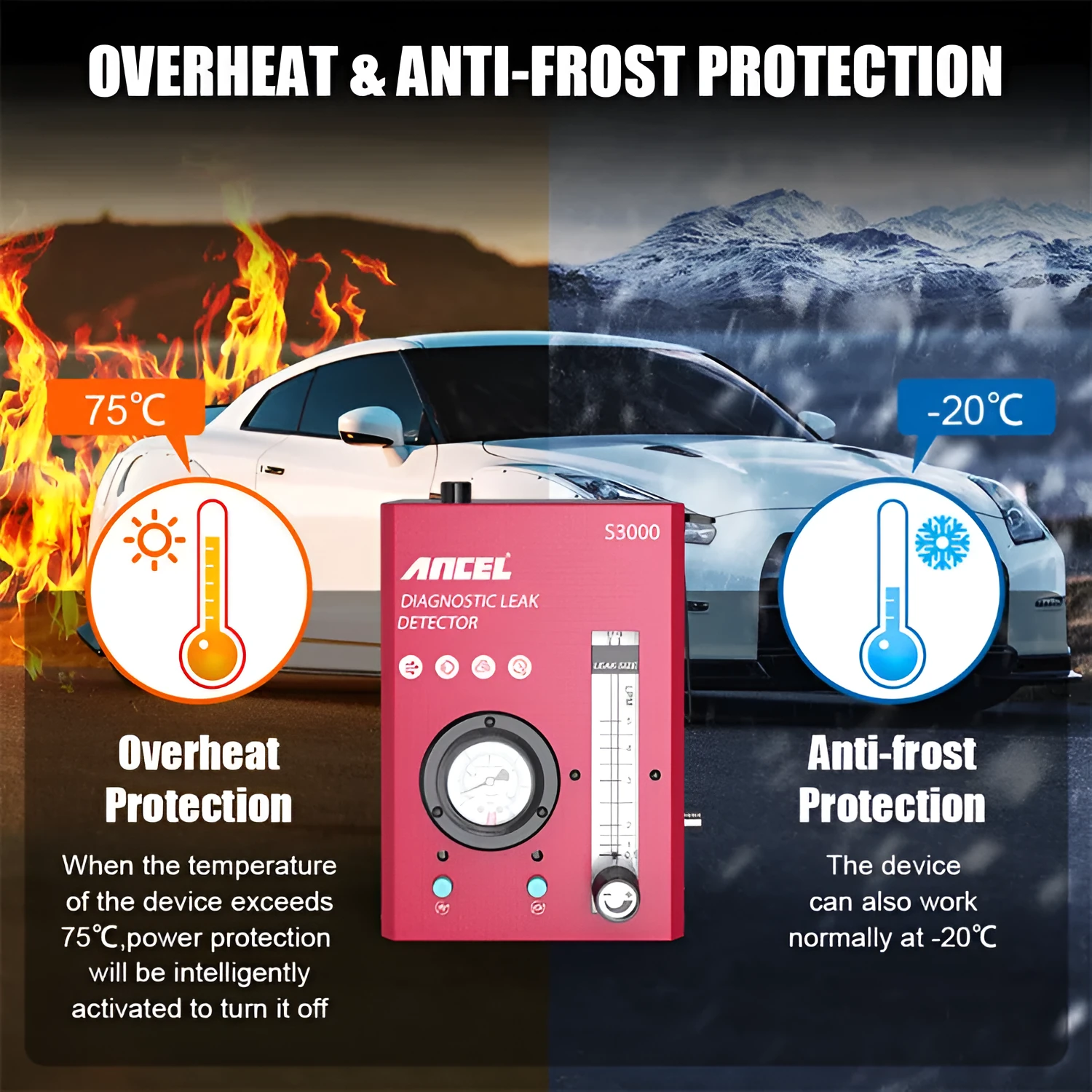
The device is engineered from components that can withstand the operational demands of an automotive environment, as evidenced by its specified working temperature range. This range from -20°C to 40°C indicates suitability for use in various climates and workshop conditions, from cold garages to warm engine bays. The 12V power supply requirement points to integration with standard vehicle electrical systems or workshop power sources, making it a practical tool without the need for specialised power adapters.
Size and Practical Fit
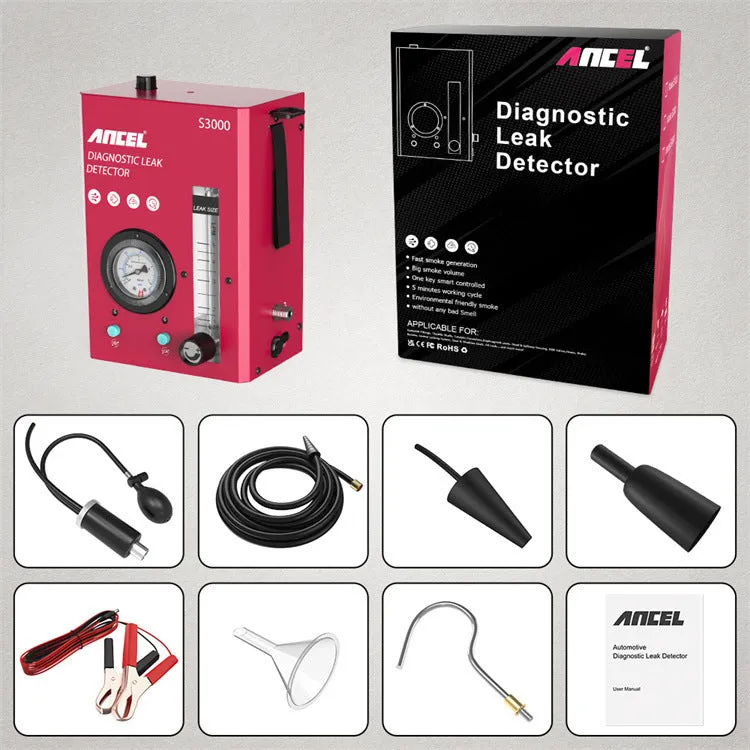
With a total weight of 2.4 kg, the detector kit is portable enough to move around the workshop or vehicle but has sufficient heft to suggest a robust build. This weight likely includes the smoke generation unit, internal components, and housing. The single-unit package means it arrives ready for use with all necessary core components contained within the main device, requiring only a power connection to begin diagnostics.
Uses and Placement
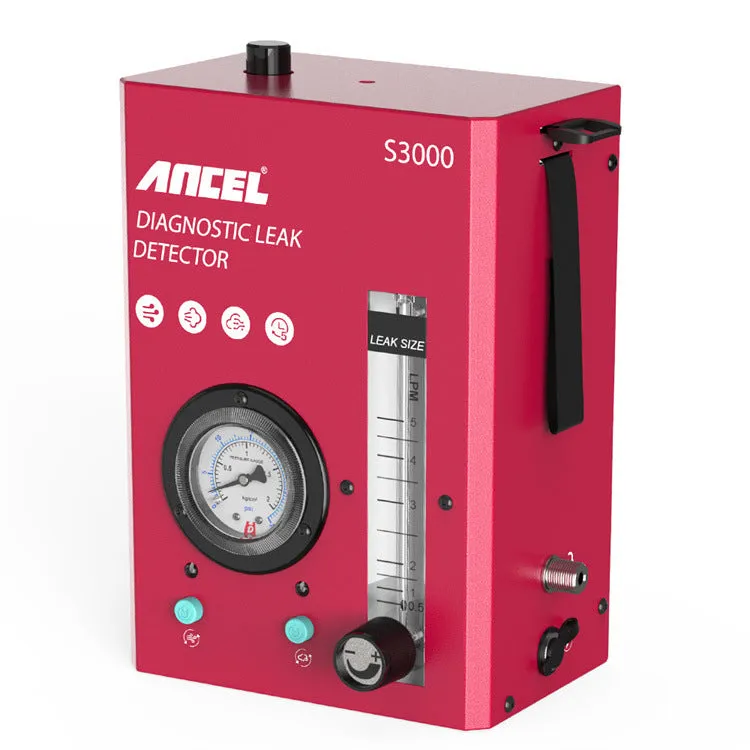
The primary function of this tool is to serve as a diagnostic aid for internal combustion engine systems. Its application is targeted and specific, focusing on a common category of engine faults.
Event or Professional Use
In a professional automotive workshop, this smoke detector can be a standard part of the diagnostic toolkit for addressing customer complaints related to engine performance. It allows technicians to quickly verify or rule out vacuum leaks as a cause before proceeding with more invasive or time-consuming tests. The visual nature of the smoke test also provides clear evidence of a fault, which can be useful for explaining repair needs to vehicle owners.
Everyday Home Use
For the experienced home mechanic, this tool offers a way to tackle persistent drivability issues on personal vehicles or projects. It provides a more definitive diagnostic method than spraying fluids around suspected leak areas and can help pinpoint the exact location of small, hard-to-find leaks in complex vacuum hose routing or underneath intake manifolds.
Benefits and Buying Value
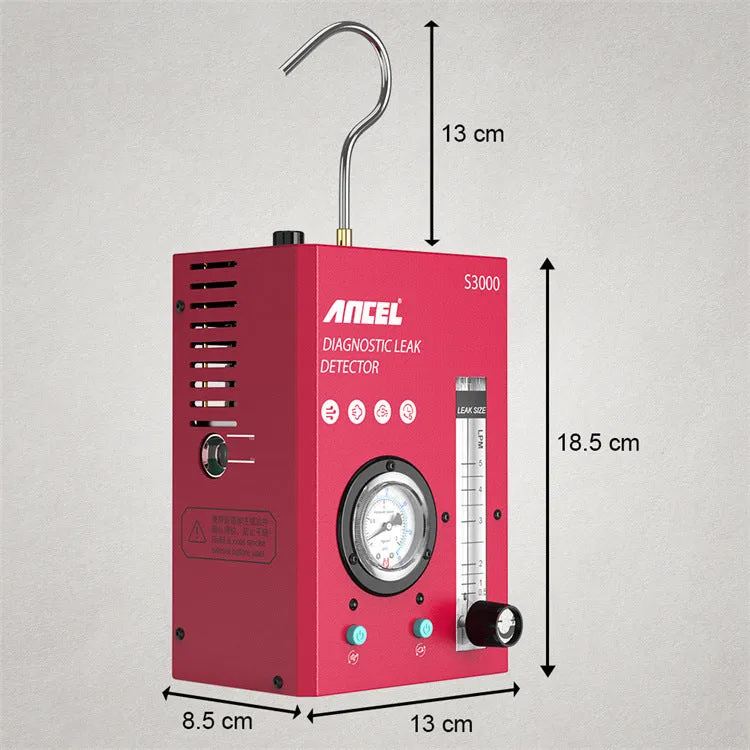
The value of this diagnostic tool lies in its targeted function and the practical advantages it offers during engine repair and maintenance work.
Reuse and Low Maintenance
As a dedicated diagnostic device, it is designed for repeated use across multiple vehicles and repair jobs. There is no mention of consumables beyond the smoke fluid (implied by the function), suggesting ongoing utility after the initial purchase. The operational parameters provided indicate a design intended for regular use within its stated environmental limits.
Why Choose This Product
This S3000 detector provides a concrete solution for a specific and common automotive problem—locating vacuum leaks. Its defined specifications, like the 12V operation and -20°C to 40°C temperature range, offer clear guidance on its capabilities and limits. Choosing this tool is about selecting a direct method over indirect diagnostic techniques, aiming for efficiency and accuracy in pinpointing the source of engine performance issues related to air intake integrity.