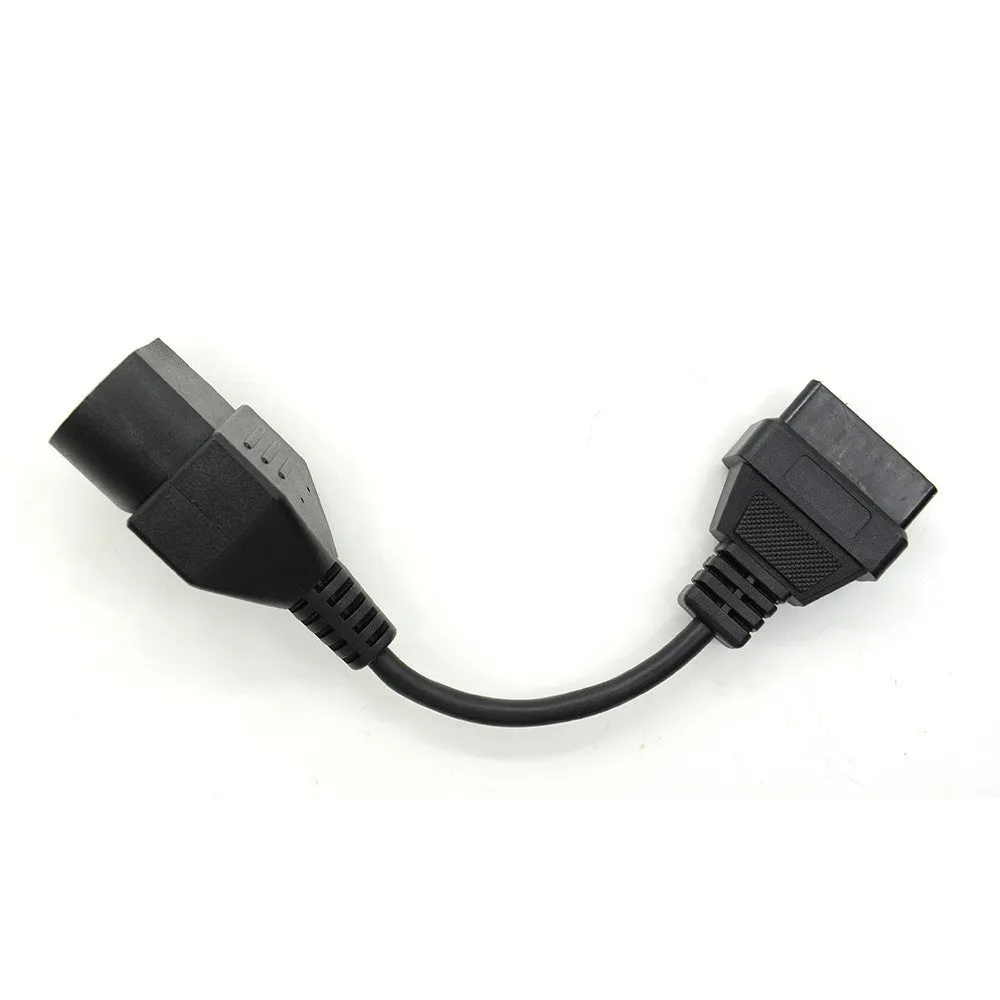
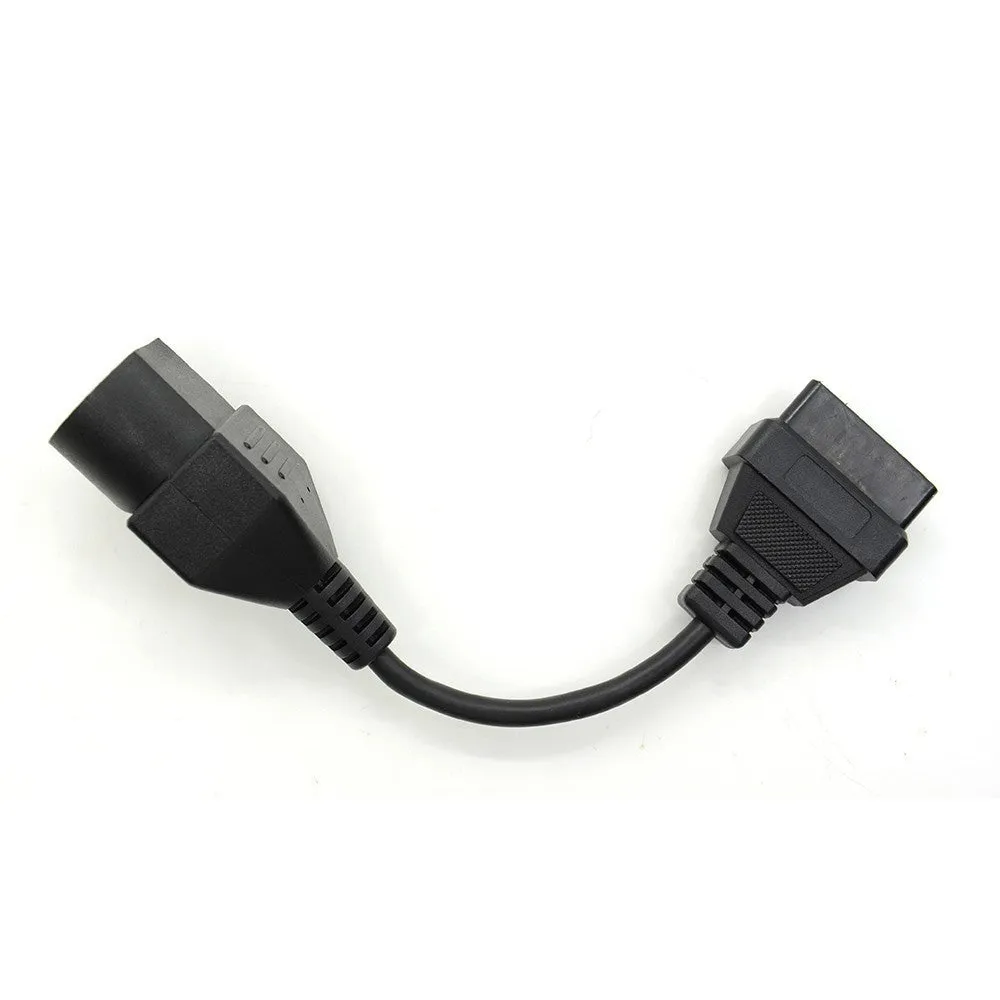
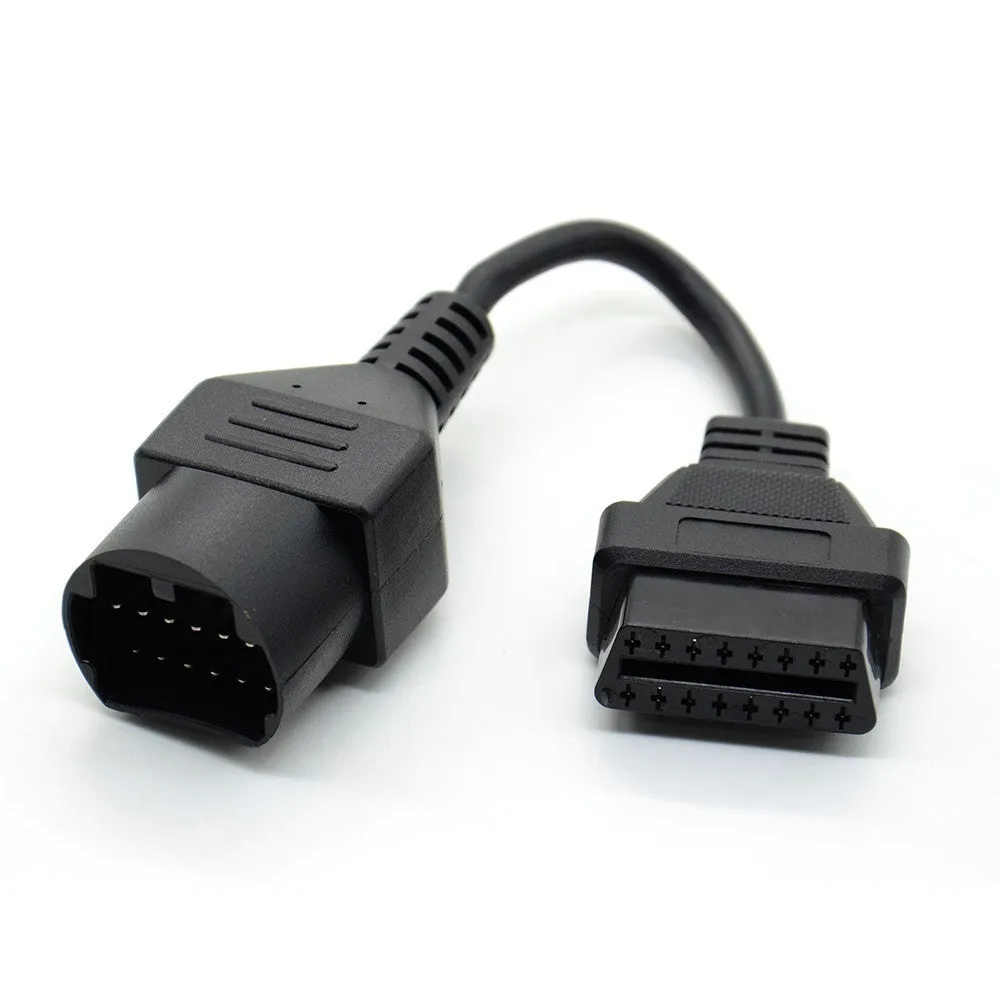
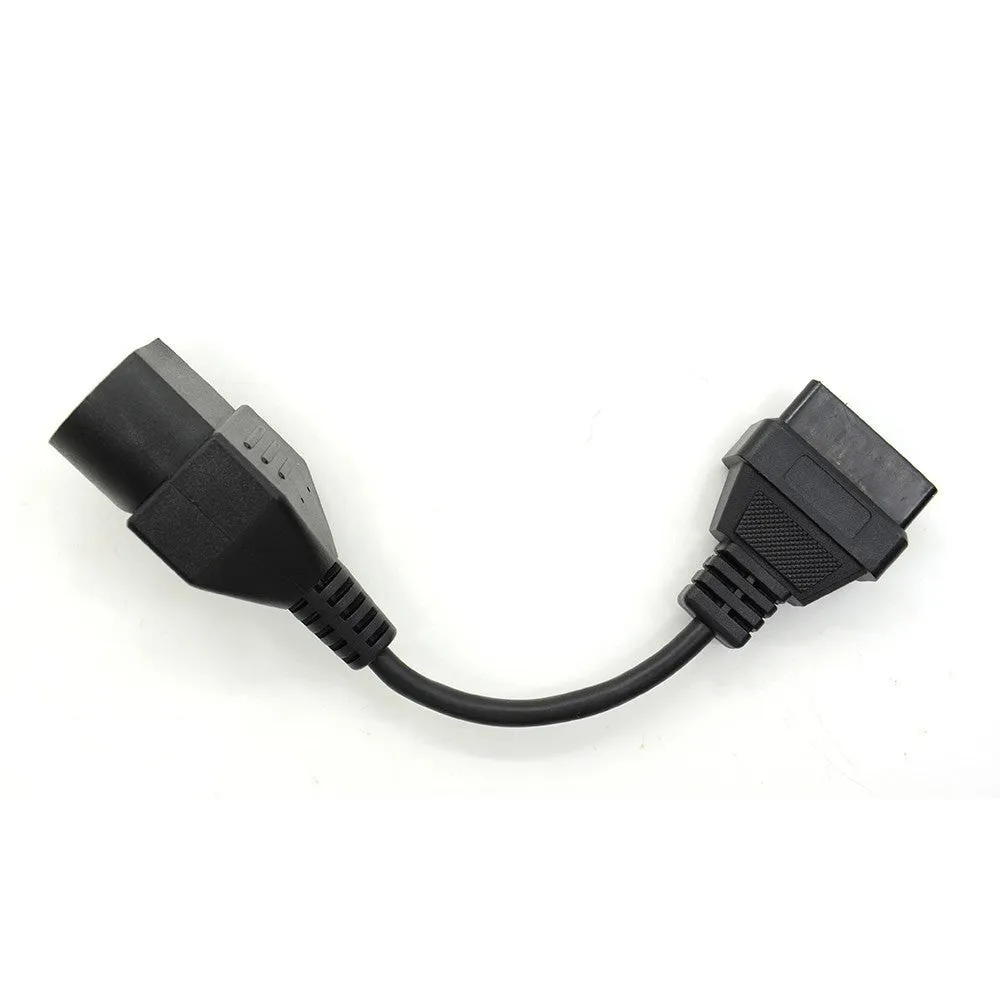
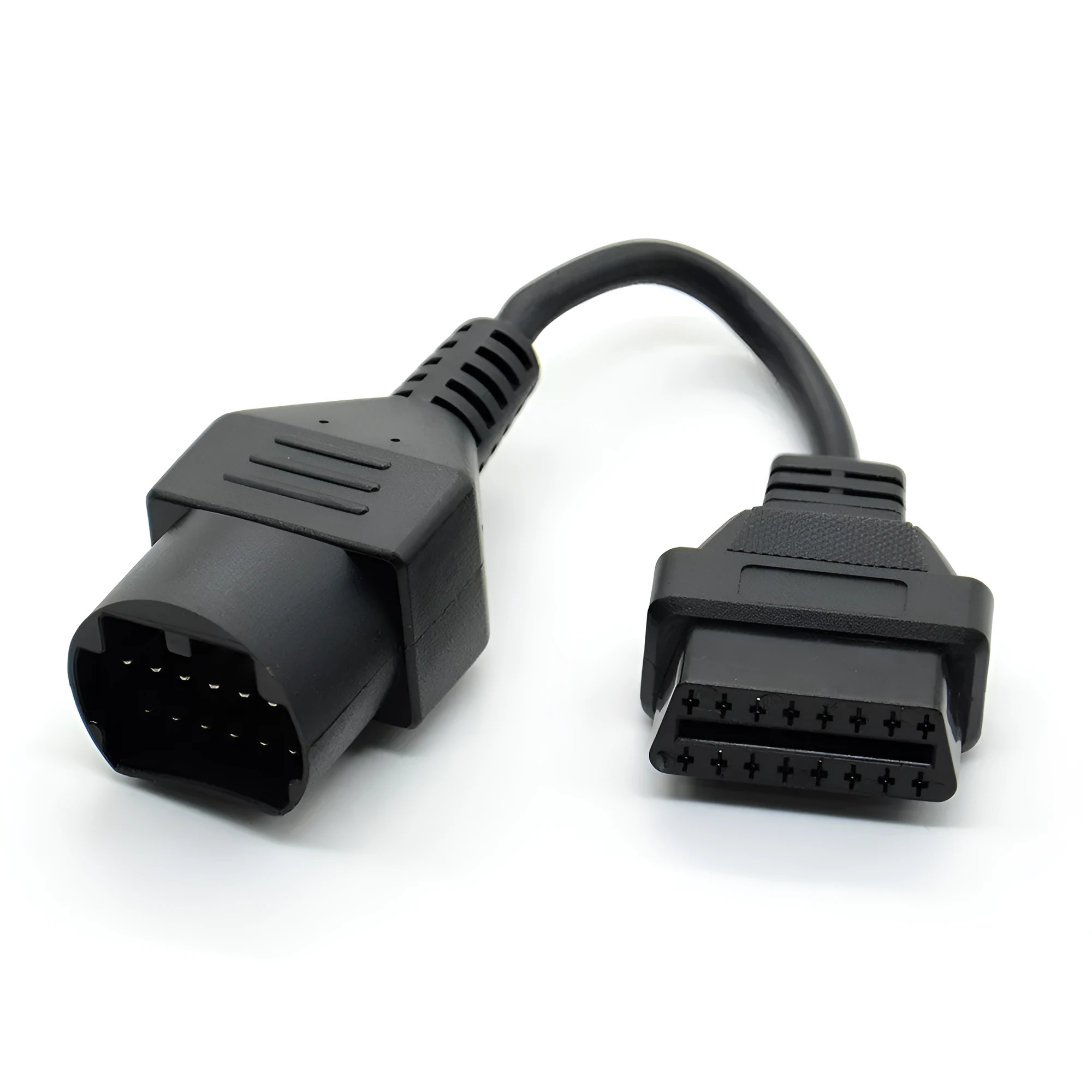
Mazda Toyota 17 Pin to 16 Pin OBDII Diagnostic Adapter Cable PVC 100g Car Inspection Connector for OBD2 Scanner Tool Black


Mazda Toyota 17 Pin to 16 Pin OBDII Diagnostic Adapter Cable PVC 100g Car Inspection Connector for OBD2 Scanner Tool Black
Mazda Toyota 17 Pin to 16 Pin OBDII Diagnostic Adapter Cable
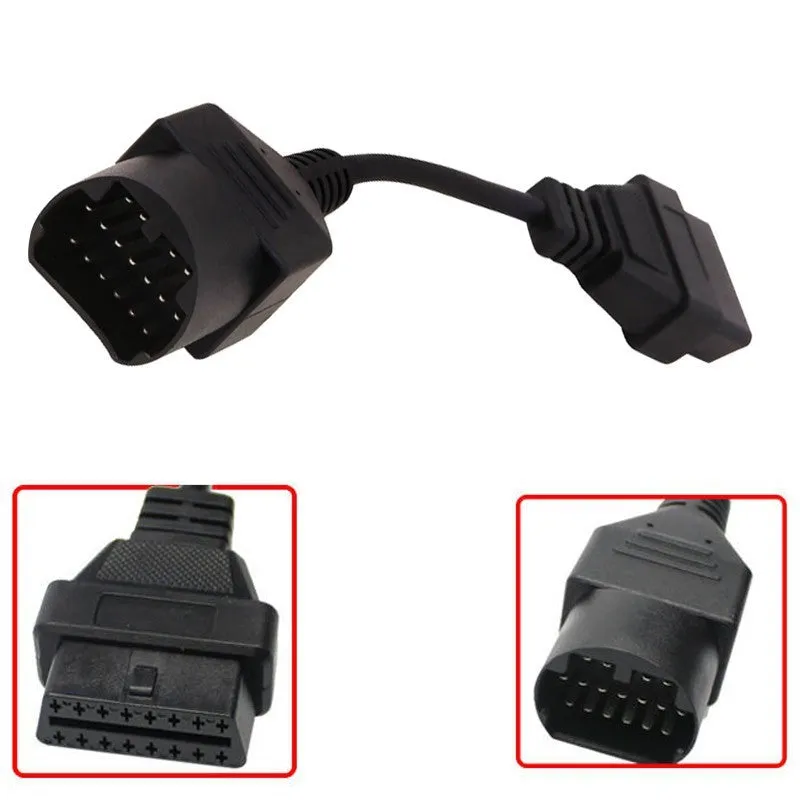
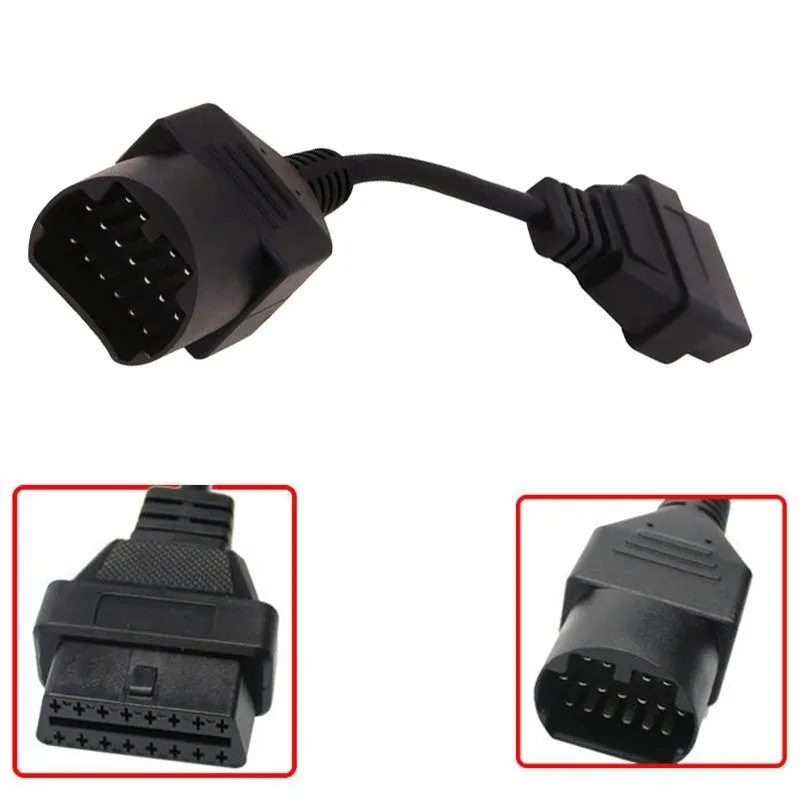
This diagnostic adapter cable is designed to bridge the gap between a Mazda or Toyota vehicle with a 17-pin diagnostic interface and a 16-pin OBD OBDII diagnostic tool. It has two connectors: one Mazda Toyota 17-pin connector and one 16-pin OBD OBDII connector. The cable converts the connection from a Mazda 17-pin port to a 16-pin OBD OBDII interface, allowing OBD OBDII diagnostic tools to work with Mazda or Toyota vehicles that use the 17-pin interface. The cable is made from PVC and weighs 100g. It is black and is supplied as one 17-pin vehicle diagnostic cable. No further dimensions, pin materials, cable length, or vehicle compatibility list are provided in the source text.
Features and Construction
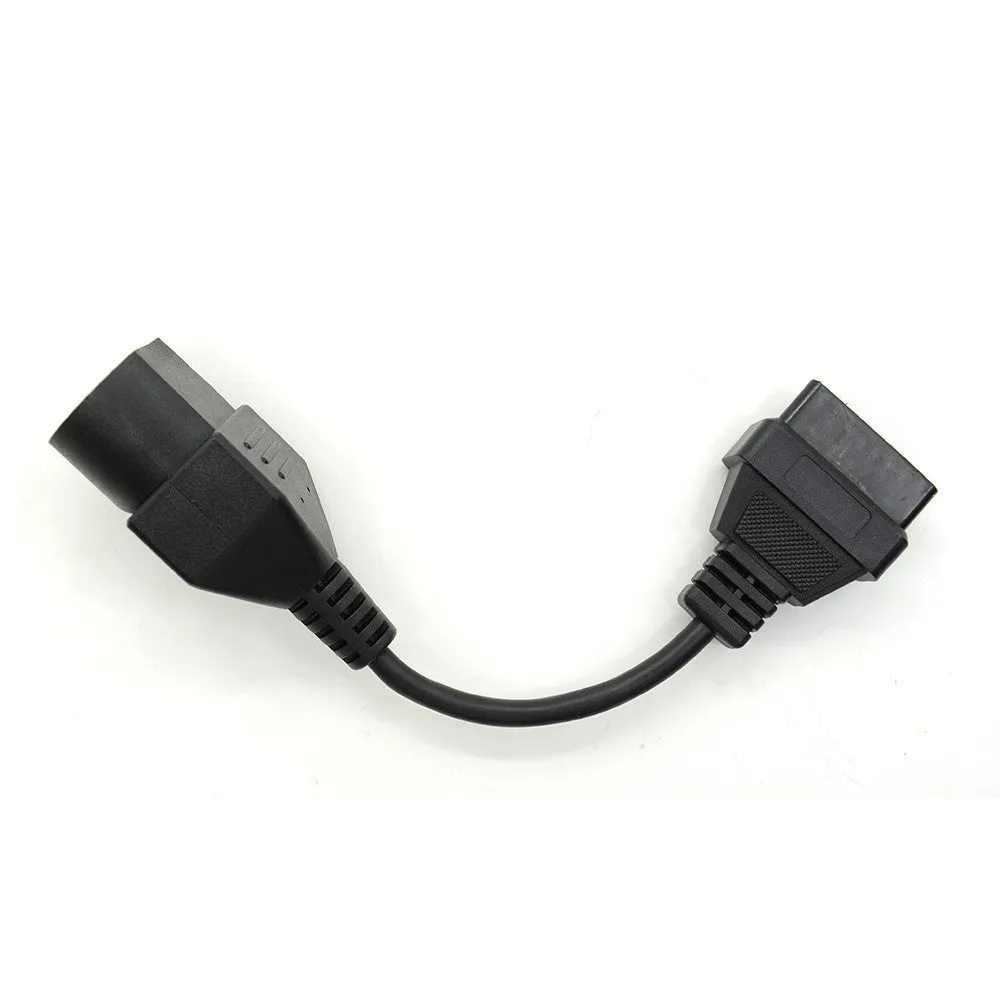
The cable is built around two connector types and a PVC covering. Its main role is to adapt a 17-pin Mazda or Toyota diagnostic port to the 16-pin OBD OBDII format used by many diagnostic tools. The stated weight is 100g, and the colour is black. No other construction details are available in the source text.
Material and Build
The source text states that the cable material is PVC. This material forms the outer covering of the lead. The cable has a stated weight of 100g. No information is given about internal wire gauge, shielding, moulded strain relief, or contact plating. The two connectors are described as one Mazda Toyota 17-pin connector and one 16-pin OBD OBDII connector. The cable is black.
Size and Practical Fit
The only stated measurement is weight: 100g. No cable length, connector dimensions, or bend radius is provided. The practical fit depends on the vehicle having a 17-pin Mazda or Toyota interface and the diagnostic tool having a 16-pin OBD OBDII port. The adapter is intended to sit between those two points. Because length is not stated, no claim can be made about reach or routing.
Uses and Placement
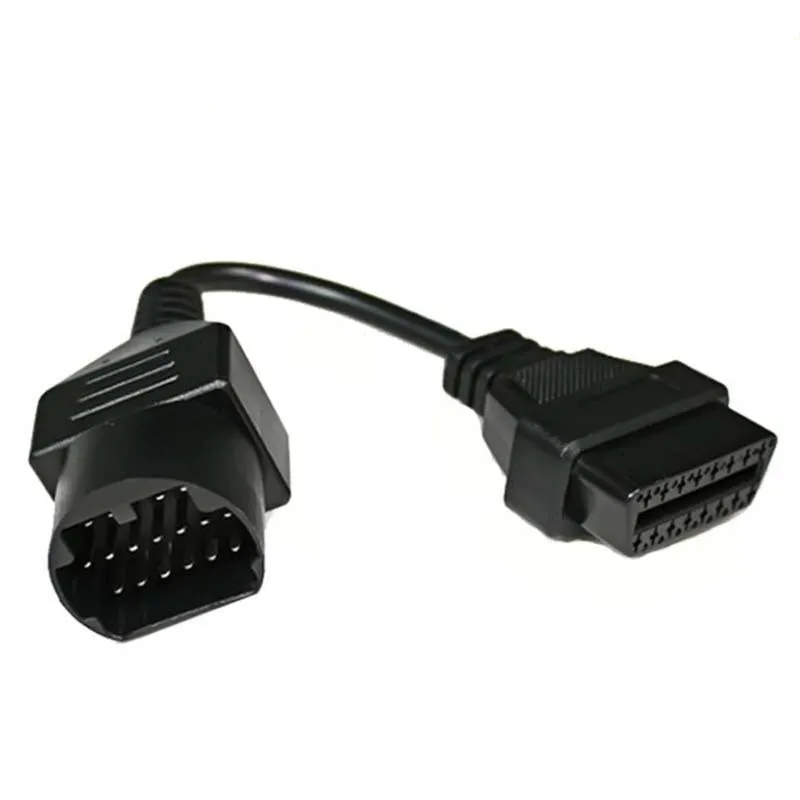
This cable is used when a 16-pin OBDII diagnostic tool needs to connect to a Mazda or Toyota vehicle that has a 17-pin diagnostic socket. It is a conversion lead rather than a standalone diagnostic device. Its place is between the vehicle port and the scan tool.
Event or Professional Use
In a workshop or inspection setting, the cable allows a compatible 16-pin OBD OBDII diagnostic tool to be connected to a Mazda or Toyota vehicle with a 17-pin interface. This can help when the available scan tool uses the 16-pin OBD OBDII format but the vehicle does not. The source text does not list specific vehicle models, years, or diagnostic protocols, so compatibility should be checked against the actual ports before use.
Everyday Home Use
For home diagnostic work, the adapter cable provides a way to link a 16-pin OBDII reader to a Mazda or Toyota vehicle with a 17-pin port. It removes the need to match the tool directly to the older port. The cable is lightweight at 100g and has a PVC covering. It should be stored dry and connected only to matching ports.
Benefits and Buying Value
The main benefit is connector conversion: a 17-pin Mazda or Toyota interface can be adapted to a 16-pin OBD OBDII tool. The cable is simple, with no software or power source required. Its value comes from making existing diagnostic tools usable with vehicles that have the 17-pin port.
Reuse and Low Maintenance
The cable can be reused whenever a 17-pin to 16-pin OBDII connection is needed. Its PVC covering can be wiped clean if necessary. No specialist maintenance, calibration, or service interval is stated in the source text. Keeping the connectors free of dirt and storing the cable dry are reasonable low-risk practices based on the stated materials.
Why Choose This Product
Choose this cable if you need to connect a 16-pin OBD OBDII diagnostic tool to a Mazda or Toyota vehicle with a 17-pin diagnostic interface. It offers the two required connectors in one lead, with a stated PVC material, 100g weight, and black colour. No other specifications, vehicle list, or performance claims are provided in the source text, so the product should be selected on the basis of the connector types alone.